
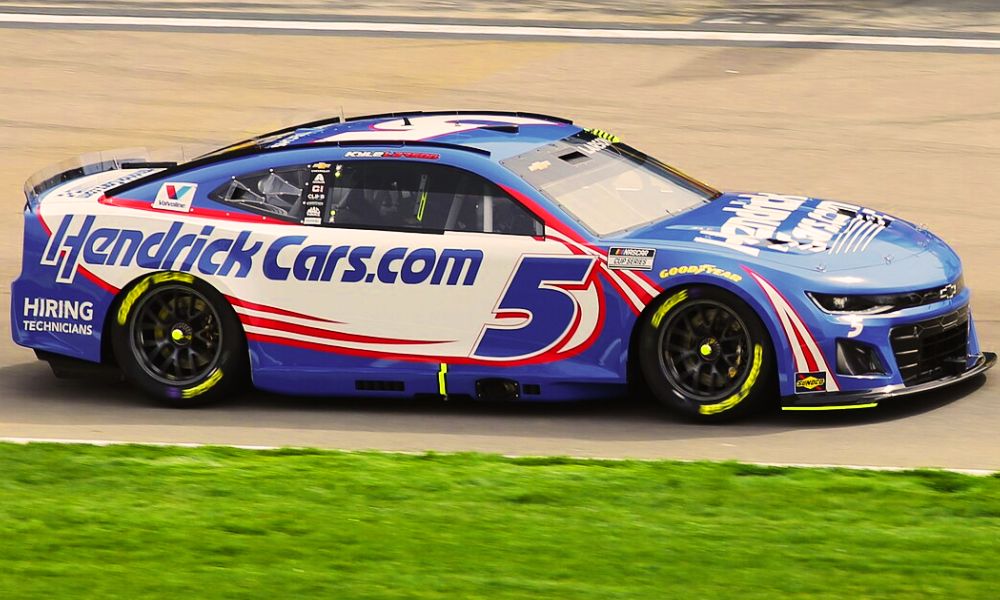

Few sporting institutions are as synonymous with American motorsport as NASCAR. For decades, the National Association for Stock Car Auto Racing has been a governing body, promoter, and commercial powerhouse in professional racing. However, NASCAR has increasingly found itself at the center of legal battles — disputes that range from antitrust claims to broadcasting rights, team governance, and even individual driver contracts.
The latest NASCAR lawsuit has reignited debates about power, control, and money within the sport. The case, which touches on issues of fairness in governance, media rights, and competitive access, could have far-reaching implications not only for the teams and drivers directly involved but also for the future shape of stock car racing in America.
This article explores the background of the lawsuit, the claims and counterclaims, the legal arguments being made, and the potential consequences for NASCAR, its teams, and its fans.
Background: NASCAR’s Structure and Control
Founded in 1948 by Bill France Sr., NASCAR has long been a tightly controlled, family-run organization. Unlike other professional sports leagues such as the NFL or NBA, which operate with franchise structures and independent team ownership models, NASCAR maintains significant centralized control.
NASCAR sets the rules, owns the intellectual property, negotiates media rights, and often determines the financial framework that governs its races. Teams and drivers participate, but historically they have had little direct say in commercial decision-making.
This centralization has sparked recurring disputes. For years, some team owners and drivers have argued that NASCAR acts as both regulator and commercial beneficiary, blurring the line between governance and profit-making. Critics say this creates conflicts of interest — particularly when it comes to revenue sharing from sponsorships and television deals.
The Lawsuit: Core Issues at Stake
The latest lawsuit revolves around several central claims:
- Antitrust Allegations – Plaintiffs argue that NASCAR wields monopolistic power by controlling both the sanctioning of races and the commercial rights associated with them. The suit alleges that this stifles competition and prevents teams from negotiating fairer financial terms.
- Revenue Sharing and Media Rights – Teams claim that the current distribution of television revenue and sponsorship deals overwhelmingly favors NASCAR, leaving them with a disproportionately small share of the sport’s growing financial pie.
- Team Governance and Charter System – Introduced in 2016, NASCAR’s charter system was designed to stabilize team participation by guaranteeing entry into races. However, some team owners argue that the system has failed to deliver the promised financial security and that NASCAR maintains outsized control over the allocation and resale of charters.
- Transparency and Accountability – The lawsuit highlights concerns about NASCAR’s opaque decision-making processes, particularly around how revenues are reported and distributed. Teams allege that the lack of transparency makes it impossible to assess whether they are being fairly compensated.
NASCAR’s Defense
NASCAR has firmly denied wrongdoing, characterizing the lawsuit as an overreach by teams and a misrepresentation of how the sport operates. The organization argues:
- Centralized Governance is Essential – NASCAR insists that a strong central authority is necessary to maintain competitive balance, enforce safety standards, and preserve the integrity of racing.
- Revenue Distribution is Fair – NASCAR maintains that its revenue model ensures financial sustainability for teams while also investing in the growth of the sport, including grassroots racing and fan engagement.
- Teams Have Benefited from Growth – The organization points to increased sponsorship opportunities, higher prize money, and the stability of the charter system as evidence that teams have gained from NASCAR’s governance model.
- Legal Precedent Favors NASCAR – In past antitrust disputes, courts have generally recognized NASCAR’s right to maintain control over its races, given the unique structure of motorsports compared to traditional stick-and-ball leagues.
Industry Reaction
The lawsuit has sparked strong reactions across the motorsports industry.
- Team Owners: Many are rallying behind the plaintiffs, arguing that without structural reform, teams face financial instability despite the sport’s commercial growth. Some have compared the situation to pre-revenue sharing NFL, where owners eventually forced the league to adopt fairer financial models.
- Drivers: While some drivers have voiced cautious support for greater transparency, most have remained neutral, wary of jeopardizing their standing with NASCAR leadership.
- Sponsors: Corporate sponsors are watching closely, concerned that prolonged legal battles could damage the sport’s image and undermine the return on investment they expect from NASCAR partnerships.
- Fans: Among fans, opinions are divided. Some see the lawsuit as a necessary push for fairness, while others worry that legal battles could overshadow the racing itself.
Historical Context: NASCAR’s Legal Battles
This is not the first time NASCAR has faced legal scrutiny.
- 1990s Antitrust Challenges: Rival tracks and promoters sued NASCAR, claiming it withheld race dates unfairly. While some cases were settled, courts often sided with NASCAR’s discretion in race scheduling.
- Media Rights Disputes: Over the years, NASCAR’s lucrative broadcast deals have been challenged, with critics arguing that teams do not get a fair cut.
- Driver and Team Contract Lawsuits: Individual cases, often involving sponsorship disputes, have highlighted the tension between NASCAR’s centralized control and team autonomy.
The latest lawsuit builds on this history but represents perhaps the most organized and far-reaching legal challenge yet.
Possible Outcomes
1. Court Victory for NASCAR
If the courts side with NASCAR, the organization would preserve its existing power structure. This could embolden NASCAR to continue its centralized approach, though it may still face mounting pressure from teams and fans for greater transparency.
2. Settlement with Structural Reforms
A more likely scenario is a negotiated settlement. NASCAR could agree to increase revenue sharing, modify the charter system, or introduce more transparent financial reporting in exchange for dropping the lawsuit.
3. Major Legal Defeat for NASCAR
If the plaintiffs secure a sweeping court victory, NASCAR could be forced to restructure its governance model. This might involve independent oversight, greater revenue sharing, or even breaking apart NASCAR’s dual role as regulator and commercial promoter. Such an outcome would mark a seismic shift in the sport.
Broader Implications for Motorsport
This lawsuit is not just about NASCAR; it raises bigger questions for motorsports globally.
- Comparisons with Formula 1: Formula 1 faced similar controversies before the introduction of the Concorde Agreement, which formalized revenue sharing and governance between teams and the FIA. Some argue NASCAR needs a comparable framework.
- Impact on Grassroots Racing: Any financial reforms could affect how much money trickles down to lower levels of stock car racing, influencing the pipeline of future drivers.
- Precedent for Other Leagues: If courts rule against NASCAR on antitrust grounds, it could inspire challenges in other sports with centralized governance structures.
Conclusion
The NASCAR lawsuit represents a critical juncture for American motorsport. At its heart, the dispute is about fairness, transparency, and the balance of power between a governing body and the teams that make up the sport.
Whether it ends in courtroom victory, settlement, or sweeping reform, the outcome will likely shape NASCAR’s future for decades. For fans, sponsors, and stakeholders, the legal drama underscores that the roar of the engines on Sunday often hides complex battles off the track — battles that may ultimately determine the sport’s trajectory as much as the races themselves.
READ MORE : Momentum Solar: A Comprehensive Look at One of America’s Leading Residential Solar Providers
(FAQs)
1: Why are NASCAR teams suing the organization?
Teams argue that NASCAR controls too much of the sport’s commercial revenue, particularly media rights, leaving teams underfunded despite the sport’s popularity.
2: What is the charter system, and why is it controversial?
The charter system guarantees teams entry into races and was meant to provide financial security. Critics say it has failed to deliver on that promise and that NASCAR maintains too much control over how charters are allocated and valued.
3: Has NASCAR faced similar lawsuits before?
Yes. NASCAR has previously been sued over antitrust issues, race scheduling, and broadcasting rights. However, none have threatened such a broad restructuring of the sport.
4: What happens if NASCAR loses?
If NASCAR loses, it may be forced to increase revenue sharing, provide greater transparency, or even split its regulatory and commercial functions.
5: How long could this lawsuit take?
Complex antitrust and commercial lawsuits can drag on for years, especially if appeals are involved. A settlement, however, could resolve the dispute much sooner.