
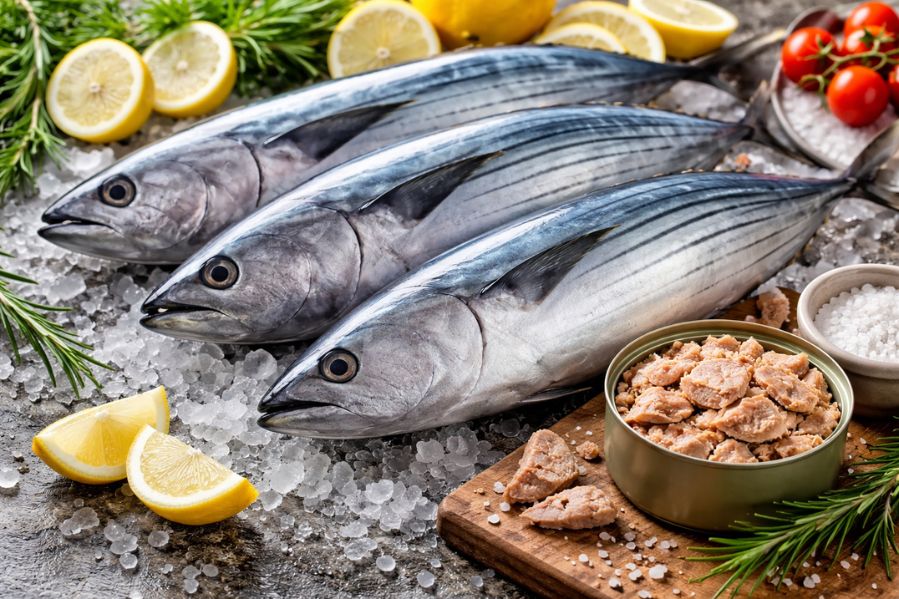

Listao tuna may sound unfamiliar, but it’s a fish millions eat weekly, often unknowingly. In French- and Portuguese-speaking markets, Listao tuna refers to skipjack tuna (Katsuwonus pelamis), the species most commonly used in canned and pouched products worldwide. This makes it one of the seafood industry’s most important commercial fish. Though it lacks the attention of bluefin or yellowfin, it is a major part of daily diets.
Listao tuna matters because of its affordability, availability, and practicality. It is smaller than most tuna, grows quickly, reproduces efficiently, and supports a large fishing industry. These traits make it reliable for food makers and familiar for consumers seeking convenient protein. It is often discussed for sustainability and mercury levels, now the top concerns for shoppers mindful of seafood’s origin and health profile.
What Is Listao Tuna?
Listao tuna, also known as skipjack tuna, is found in tropical and subtropical waters worldwide. It belongs to the tuna and mackerel family, known for its streamlined body, dark back, silver belly, and horizontal stripes along the lower side. These markings help fishermen and processors distinguish it from other tuna species.
Unlike larger, more expensive tuna, Listao is valued for its versatility and accessibility. It mainly appears in canned, pouch, salad, or meal products. Its bold flavor stands out in strongly seasoned recipes, and its firm texture holds up well in many dishes.
Listao tuna’s abundance and suitability for mass processing make it central to canned tuna markets. In many places, “tuna” labels often mean skipjack, especially where value and convenience matter.
Why Listao Tuna Is So Common in Canned Products
Listao tuna’s dominance in canned seafood stems from biology, economics, and demand. Skipjack grows faster, matures sooner, and exists in large populations. These allow fisheries to harvest it in greater volume than they can with slower-growing tuna.
From a business view, Listao tuna is efficient. It can be processed, packaged, and sold at mass-market prices. Canned tuna is a pantry staple in rich countries and an affordable protein source in developing areas. A species that supports large-scale, reasonably priced production becomes critical to the global food system.
Listao tuna is popular among chefs and consumers. It maintains quality in oil, water, brine, or seasoning. It can be flaked, shredded, or chunked, giving manufacturers flexibility. Consumers use it in sandwiches, pasta, rice, wraps, casseroles, and salads. Its practicality explains why it is a household staple.
Flavor, Texture, and Nutritional Value
Listao tuna stays popular because it balances nutrition and convenience. Like other tuna, it’s high in protein, making it appealing to those wanting quick, filling food. It also contains selenium, vitamin B12, and niacin. Depending on the packaging, it can provide helpful omega-3s, though values vary by product.
Listao tuna tastes stronger than albacore, adding savory depth to mixed dishes. Its texture is darker and firmer than white tuna, shaping both how it looks and how it’s used in recipes.
These traits make Listao tuna ideal for everyday meals rather than high-end presentations. It is filling, easy to use, and reliable. For busy households, students, and workers, its convenience is key. Canned or pouched tuna offers a quick meal base, clarifying why it’s a global staple.
Listao Tuna and Mercury Concerns
Mercury is a major concern with tuna. Large predatory fish accumulate more mercury over time because they live longer and eat smaller fish. Listao tuna, being smaller and faster-growing than bigeye or bluefin, generally has lower to moderate mercury levels.
Not all tuna products are alike, and serving size matters. Mercury varies by species, size, region, and processing method. Listao averages lower mercury, making it a practical choice for frequent use. This attracts health-conscious shoppers and families.
Mercury discussions push consumers to read labels. Knowing the species matters. Buying tuna is no longer just about price or flavor—it’s about knowing what’s inside and how often it fits your diet. Listao tuna benefits by being a widely recognized moderate choice.
Is Listao Tuna Sustainable?
Sustainability now shapes seafood conversations. Listao tuna often fares better than others. Skipjack’s rapid growth and high reproductive rate help maintain healthy stocks more effectively than those of slower-growing tuna.
Sustainability relies on fishing methods, bycatch, monitoring, and management. Not all fisheries are equal. Consumers should check sourcing and certification for true sustainability.
Listao tuna’s status as an abundant species steers consumers toward practical seafood. Not all tuna face the same ecological pressures. In an industry often defined by concerns about overfishing, Listao stands out: commercially important, heavily consumed, yet often more sustainable than luxury tuna.
How Listao Tuna Compares With Other Tuna Species
To understand Listao tuna, compare it to well-known tuna. Albacore is “white tuna,” sought for pale flesh and mild flavor. Yellowfin appears in steaks, sushi, and premium canned products, known for its firm texture and higher reputation. Bluefin is the luxury sushi and conservation debate species.
Compared to others, Listao is less glamorous but more practical. It isn’t about status—it’s about usefulness. It fills lunchboxes, shelves, and emergency stores: the daily tuna, not for special occasions.
That role matters. The most important food species are not always rare or costly. They are the ones who consistently feed many. Listao tuna thrives because it balances taste, nutrition, cost, and availability better than many premium options.
Why Listao Tuna Matters in Modern Diets
Modern eating favors food that’s fast, portable, and nutritious. Listao tuna fits perfectly. It needs no elaborate prep, stores well, and works in countless simple meals. For busy people facing rising food costs, that convenience is vital.
It also shows how people view protein today. Consumers want lean, shelf-stable, flexible options. Tuna salads, rice bowls, pasta, sandwiches, pastries, and snacks all benefit from Listao tuna. It adapts easily to changing trends because it is truly functional.
Beyond convenience, Listao tuna touches key food issues: sustainability, affordable nutrition, sourcing, and food security. This gives it significance beyond the shelf. It is more than a common canned fish—it is central to everyday global seafood consumption.
Conclusion
Listao tuna lacks the glamour of sushi species, but it is important for other reasons. The French and Portuguese names for skipjack tuna represent one of the world’s most consumed and commercially key fish. Its success relies on being available, fast-growing, nutritious, and practical for canning and pouches.
For consumers, Listao tuna offers a dependable balance of flavor, affordability, and convenience—key everyday benefits. For the seafood industry, it supports large-scale demand like few other species. Its role as a practical, sensible, and moderate option on health and sustainability makes Listao tuna deeply significant in daily diets worldwide.