

Preparing for your first journey to the African continent in 2026 is an exciting endeavor that requires thoughtful planning and strategic packing. Because the climate, customs, and available activities vary drastically depending on your specific destination, conducting thorough research is essential. Whether you are gearing up for modest wear in conservative regions, preparing for beach excursions, or packing hiking gear for mountain treks, your overarching strategy should be to travel light and respectfully. By focusing on packing for adventure rather than excess, you can ensure that you are fully equipped to handle surprising temperature fluctuations, such as unexpectedly cold mornings, while remaining comfortable and agile throughout your expedition.
What essential travel documents do you need for smooth entry?
First-time travelers must prioritize their documentation to guarantee smooth border entries and to be fully prepared for any emergencies.
- Your most critical item is a valid passport, which must have at least six months of validity remaining beyond your scheduled return date.
- It is highly recommended to pack both digital and paper copies of this passport, stored separately from the original document.
- Additionally, you must meticulously check the specific visa requirements for each country on your itinerary and carry all necessary visa confirmations.
- Proof of comprehensive health and travel insurance is non-negotiable; providers like World Nomads are often recommended to ensure you are covered for potential medical evacuations.
- Depending on your specific destinations, you may also be required to present a yellow fever vaccination card.
- If you plan on driving, an international driving license is mandatory, alongside your printed flight e-tickets.
Financial preparation is equally crucial, so you should carry cash in United States Dollars, Euros, or the local currency. Be sure to notify your bank of your extensive travel plans to prevent any card freezes, and specifically request clean, recent, and unblemished USD notes, as these are widely accepted and necessary for tipping guides and lodge staff.
How should you choose the right luggage for bush flights?
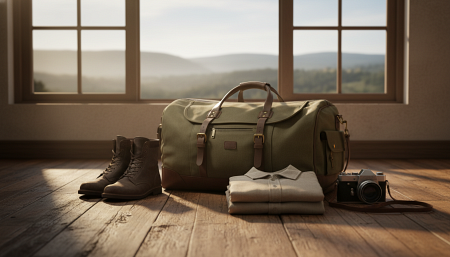
Selecting the appropriate luggage is a vital logistical step, particularly if your itinerary includes domestic bush flights. These smaller aircraft enforce strict weight limits, typically restricting passengers to a maximum of 15 to 20 kilograms of total baggage. Furthermore, hard-sided suitcases are almost universally refused on these flights because of irregular cargo space. Therefore, you must opt for a soft-sided duffel bag that can be easily manipulated and stowed.
To maximize this limited space and maintain organization, utilizing packing cubes is a highly effective strategy. You should strictly avoid packing heavy, bulky luggage or bringing excessive valuables and jewelry, as the dusty and rugged conditions make luxury bags impractical. In addition to your primary duffel, it is essential to include a lightweight daypack or a fanny pack. This smaller bag will be invaluable during daily game drives, allowing you to comfortably carry immediate necessities such as your reusable water bottle, sunscreen, and a protective hat while keeping your hands free for photography and wildlife observation.
What neutral clothing and footwear work best for safaris?
Because Africa’s weather in 2026 will vary significantly by destination—requiring research into specifics like warm September afternoons or freezing dawn patrols—your wardrobe must consist of breathable, mix-and-match items. First-time travelers should pack neutral colored clothing, focusing on earth tones like cream, black, and white, with minimal prints to easily blend into the natural surroundings. Avoid dark blue and black garments in certain regions, as these colors are known to attract biting tsetse flies. Your core clothing list should include about four lightweight T-shirts or tops, complemented by long-sleeved linen or light cotton shirts that provide essential layering, modest coverage, and vital protection from both harsh sunlight and insects.
For your lower half, choose cargo pants, joggers, or lightweight trousers; you should generally skip shorts unless traveling in exceptionally warm months, as pants offer better defense against bugs and thorny brush. Leggings are also excellent for layering under pants during particularly cold, long drives. To combat surprisingly chilly mornings and evenings, pack:
- A lightweight sweater or sweatshirt
- A warm fleece
- A packable puffer jacket or raincoat for unexpected downpours
Keep sleepwear minimal with just one pair of lightweight cotton pajamas to save space, and bring a reasonable amount of socks and underwear, keeping in mind that many lodges offer laundry services.
Prioritize comfortable footwear over style. Bring a sturdy pair of comfortable walking shoes or sneakers for hikes and uneven terrain, alongside a pair of sandals or flats for relaxing evenings at the camp. An optional dressy pair can be included if space permits, but ensure all footwear is thoroughly broken in beforehand, as embarking on a safari with brand new shoes is a recipe for painful blisters.
How can you prepare your health and toiletries kit?
Healthcare access can vary wildly depending on your remote location, making absolute self-sufficiency the key to a safe trip. Always consult the CDC travel health list prior to departure to ensure you meet all medical recommendations. Your personal health kit must include a high-quality insect repellent to protect against mosquitoes and tsetse flies, as well as a broad-spectrum SPF 30+ sunscreen formulated for your body, face, and lips to combat the intense equatorial sun. Pack all personal medications in their original, clearly labeled packaging to avoid issues at customs.
Additionally, assemble a comprehensive first-aid kit containing pain relievers like Advil or Tylenol, and anti-allergy medications to handle unexpected reactions to local flora or fauna. For daily hygiene in dusty environments, pack hand sanitizer, face and body wipes, and flushable bathroom wipes. Your toiletry bag should be streamlined but complete, containing:
- Travel-sized deodorant
- Toothpaste
- A toothbrush
- Dental floss
- A deeply hydrating moisturizer to soothe wind-chapped skin
Bringing concentrated laundry soap or lightweight detergent strips is also highly recommended for washing small items in your sink. Finally, a durable, reusable water bottle is essential for maintaining constant hydration in the arid climate, and packing energy-dense snacks like mixed nuts or protein bars will keep your stamina up during long transit days.
How will you manage tech gadgets and stay connected?
Modern safaris offer incredible opportunities to capture memories, but keeping your devices powered requires foresight. Your primary tech kit should revolve around your smartphone and its necessary chargers. Because you will likely spend long hours away from wall outlets during extensive game drives, a high-capacity power bank of at least 20,000mAh is essential to keep your phone and camera batteries topped up. Electrical outlets vary across the continent, so you must pack a reliable universal travel adapter; for example, destinations like South Africa and Namibia specifically utilize Type M or Type D sockets.
Bring multiple durable USB cables and a good pair of headphones for transit. While many lodges offer internet access, you might also consider bringing a portable Wi-Fi device for remote connectivity. For downtime, an e-reader like a Kindle is a space-saving alternative to heavy books. Remember your reading glasses to review maps or read in the evenings.
What are the best regional data solutions for african countries?
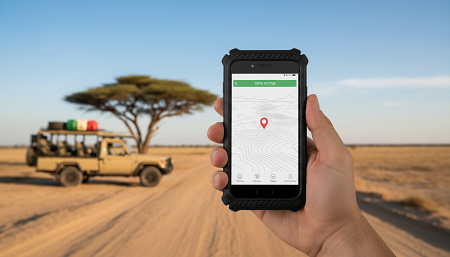
Securing reliable internet access across vast and diverse African landscapes has traditionally been a challenge involving expensive roaming charges or the hassle of purchasing multiple local physical SIM cards. However, modern travelers can now bypass these issues entirely by utilizing specialized digital profiles. For instance, purchasing an eSIM for Africa provides a highly convenient and cost-effective solution tailored specifically for the continent.
These digital plans offer wide coverage across numerous African countries, allowing you to seamlessly cross borders without losing your connection. By choosing data plans with various gigabyte allowances and durations, you can tailor your connectivity to the exact length of your safari. This technology is incredibly user-friendly; solutions like Amigo eSIM offer instant prepaid data plans across more than 194 countries, allowing travelers to activate their connection via a simple QR code delivered directly to their email or app, eliminating physical SIM swaps.
How can you maintain seamless connectivity during international travel?
Beyond regional specifics, maintaining a stable connection globally is a priority for modern adventurers who need to navigate, translate, and stay in touch with family back home. The broader application of embedded SIM technology revolutionizes how we approach global communication. By opting for an eSIM card for international travel, you eliminate the exorbitant roaming fees traditionally imposed by domestic carriers.
This flexible approach ensures instant activation and delivery of global and multi-country data coverage the moment your plane touches down. A major benefit is the ability to keep your primary phone number and messaging apps active on your device while simultaneously using the digital profile for affordable, local high-speed data. This dual-network capability provides ultimate convenience and peace of mind, ensuring you are never disconnected, whether you are waiting for a bush flight or exploring a bustling capital city.
What specific gear is required for wildlife viewing and game drives?
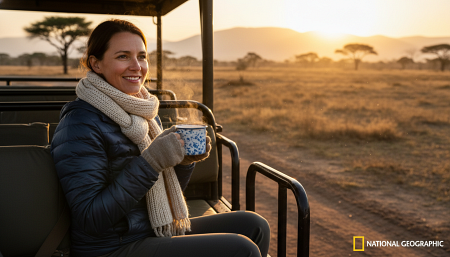
To maximize your experience during early morning and late afternoon game drives, packing specialized wildlife viewing gear is essential. To protect against the elements, bring a wide-brimmed hat or a sturdy baseball cap, along with a versatile Buff or neck scarf to shield your face from intense sun and swirling dust kicked up by the safari vehicle. High-quality polarized sunglasses are also crucial to reduce glare and protect your eyes. For spotting distant predators and elusive birdlife, a good pair of binoculars is indispensable—bring your own rather than relying on lodge rentals, which may be limited or of lower quality.
To capture the breathtaking scenery and wildlife action, pack a decent digital camera or a GoPro with extra memory cards. All of these items should be easily accessible in your lightweight daypack, which you can keep by your feet in the vehicle. Finally, for your personal comfort during bumpy rides, stash a quick-dry towel to wipe away sweat or dust, several zip-lock or small trash bags for managing waste, Kleenex, and soothing mints or lozenges to combat dry mouth in the arid bush environment.