
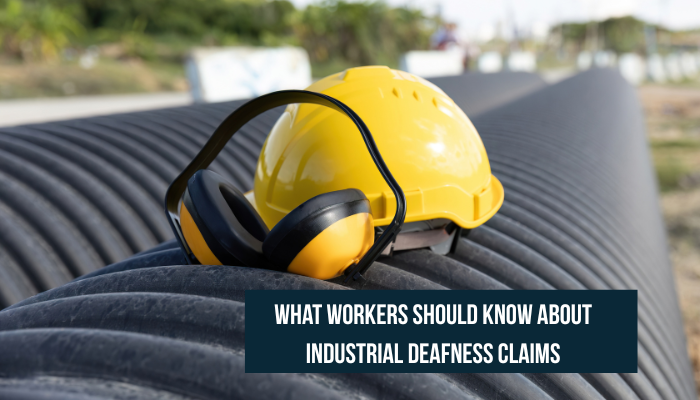

Industrial deafness claims are for workers who have developed hearing loss from noise exposure on the job. Since the damage usually builds slowly, most people do not notice it happening.
Because of that, many workers just assume their hearing is fading with age. But if you have spent years working around loud machinery, power tools, or heavy equipment, workplace noise may have played a significant role.
Here at vbrLawyers, we are a compensation law firm that handles industrial deafness claims across Queensland, NSW, and Victoria.
In this guide, we will cover:
- How hearing damage happens
- How occupational hearing loss is assessed
- How the claims process works
- Why prevention still counts
Ready? Let’s begin.
Occupational Hearing Loss: Understanding the Damage Behind Industrial Deafness Claims
Repeated noise exposure at work slowly damages the inside of your ear and can lead to occupational hearing loss. Here is a closer look at how it happens, what it does to your daily life, and which jobs carry the highest risk.
How Noise Exposure Affects Hearing
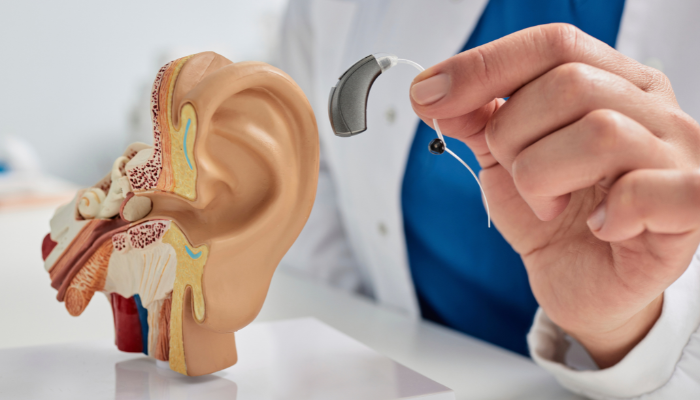
Inside your ear, there are tiny hair cells called stereocilia. They pick up sound vibrations and convert them into signals your brain can understand. The problem is, once loud noise destroys these cells, they can’t grow back.
Generally, a single loud blast can leave you with temporary ringing or muffled hearing. And in many cases, these symptoms improve within a few days. However, repeated exposure to hazardous noise levels above 85 dBA (think a lawn mower) can gradually damage the delicate structures inside the ear over time.
At that point, noise-induced hearing loss is irreversible. Even hearing aids can only partially improve communication and sound clarity, not full hearing.
The Hidden Impact on Daily Life
Hearing damage changes the way you connect with the people around you. For instance, workers with occupational hearing loss often start pulling away from conversations because they can not keep up. It is especially true in louder settings like pubs, restaurants, or family gatherings.
Over time, that kind of withdrawal can lead to social isolation. Hearing loss has also been associated with higher rates of stress, anxiety, and depression.
What makes hearing loss particularly difficult is that it often develops gradually. So many workers do not recognise the extent of the problem until it starts affecting their relationships, work, and daily activities.
Industries With Elevated Exposure Risks
Some jobs put your hearing at much greater risk than others. If you work in any of the following industries, stay mindful of your hearing health and know where you stand:
- Manufacturing: Factory floors are some of the noisiest workplaces around. Machines running all day can push sound levels well past 90 dBA for hours at a time.
- Construction: If you have ever stood near a jackhammer, you know how intense the noise gets. In construction, tools like concrete cutters and angle grinders keep that level of noise going throughout the day.
- Transport: Truck drivers, rail workers, and airport ground crews are exposed to constant engine noise and vibration. Over time, that exposure builds up quietly throughout their careers.
- Mining: In many cases, sound levels underground from drilling and blasting can exceed 100 dBA, which is far above typical workplace limits.
- Agriculture: Tractors, harvesters, and grain dryers do not sound as extreme as mining gear, but they still expose farm workers to loud noise across full working days.
- Warehousing: Forklifts, conveyor belts, and loading docks all contribute to a noisy environment. The trouble is, most warehouse workers do not think twice about it.
Workers in these industries should have their hearing tested at least once a year. Regular monitoring can detect early signs of hearing loss before it becomes more serious.
How Industrial Deafness Claims Work Under Workers’ Compensation
Industrial deafness claims fall under the workers’ compensation system and cover employees who have developed hearing loss from noise exposure at work. The process involves medical tests, workplace evidence, and rules that change depending on which state you are in.

This is how it all fits together.
How Occupational Hearing Loss Is Assessed
The first step in any industrial deafness claim is a hearing test called an audiogram. An audiologist performs this test to measure how much hearing loss you have and to identify the type of loss. In Queensland, WorkCover arranges an audiologist appointment after they accept your claim.
The audiologist will review your full work history and noise exposure over the years. This will help them understand how much of your noise-induced impairment is linked to work and how much may be related to age.
Based on all of that, they will calculate your degree of permanent impairment, or DPI. That percentage directly affects the level of hearing loss compensation you may receive.
Important Note: In Queensland, the first 5% of hearing loss is not included in the calculation. The law treats this portion as natural age-related hearing deterioration.
Why Industrial Deafness Claims Can Be Complex
Most workers do not lose their hearing from just one job. It usually happens across multiple roles and workplaces over the course of a career. So putting together a complete noise exposure history can be challenging, especially when former employers have shut down or workplace records have gone missing.
To make things harder, assessors also need to separate workplace hearing damage from hearing loss that develops naturally with age. They do this by looking at your industry, your job role, and the level of noise you were exposed to over time.
However, as we mentioned, even small gaps in your evidence, like missing hearing tests or incomplete job history details, can change how a claim is assessed. That is a big reason why no two cases follow the same path or reach the same outcome.
Understanding Workers’ Compensation Frameworks
Each state in Australia runs its own workers’ compensation system for handling work-related hearing loss. Here, in Queensland, industrial deafness claims are governed by the Workers’ Compensation and Rehabilitation Act 2003. Similarly, NSW and Victoria each have separate legislation with different thresholds and rules.
The eligibility requirements are not the same across the board, either. In Queensland, you need at least five years in a noisy occupation before you can lodge a claim. You also need to be currently employed, temporarily unemployed, or within 12 months of retirement at the time of lodging.
If your claim gets approved, you will receive hearing loss compensation as a lump sum. This payment will depend on your level of permanent impairment (DPI). In some cases, you can bring a common law claim for damages as well.
However, your eligibility will depend on your specific circumstances and the legislation that applies.
The Role of a Compensation Lawyer
A compensation lawyer can walk you through how the claims process applies to your particular situation.
Legal advice is especially important when you choose between a statutory lump sum and a common law claim. For example, if your DPI is between 5% and 19% in Queensland, accepting a lump sum will mean you give up the right to also pursue damages. You can only pursue both options if your DPI is assessed at 20% or higher.
Because of this, it is important to understand these differences early. Every case depends on its own facts, and the choice you make can affect your overall outcome.
Important Misconceptions
Not every case of hearing loss is caused by the workplace. Age, genetics, and even loud recreational activities like concerts or motorsports can all contribute. Assessors take those factors into account during the evaluation, which is why results can vary a lot from one person to the next.
Now, if your hearing worsens after an earlier claim, Queensland will allow you to make a further claim after three years. However, the first 1% of additional hearing loss is not included.
Prevent Workplace Hearing Damage Before It Becomes Permanent
It is important to prevent hearing damage before it becomes permanent. The first step is to measure noise levels in the workplace.
If noise reaches 85 dBA or higher, employers need to take action. This can include installing noise barriers, rotating workers away from loud areas, or providing proper hearing protection. On top of that, regular testing programs help catch early signs of occupational hearing loss before the damage becomes permanent.
At the end of the day, prevention is a shared effort. Employers are responsible for managing hazardous noise, but workers also need to use their protection and raise concerns. Safety professionals and loss prevention programs support these efforts by making sure teams follow safety standards and manage risks properly.
For information about workplace hearing damage or workers’ compensation, get in touch with our team at vbr Lawyers.
