
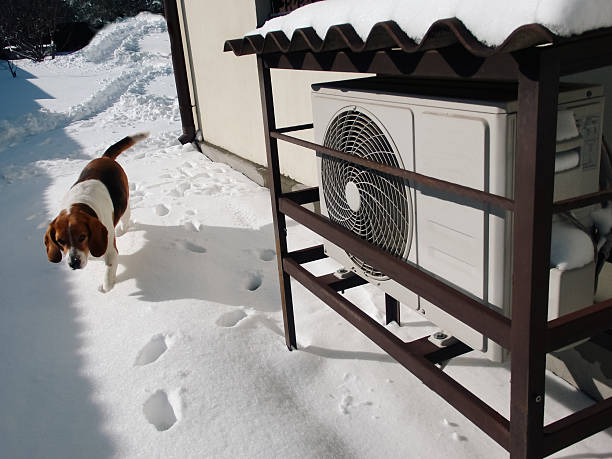

An older European home does not need to become a new building before its owner can investigate a heat pump. The useful starting point is a survey that connects the home’s heat demand with its radiators, pipework and available installation space. For households considering R290 equipment, the purchasing decision should follow that assessment. Buying an outdoor unit first can leave important work on the heating system outside the original budget.
Describe the Home Before Choosing the Equipment
A retrofit brief should explain how the property is used. Identify rooms that are difficult to heat, planned extensions, insulation work and the household’s preferred indoor temperatures. Supply energy bills as background, while asking the designer to distinguish space heating from domestic hot water. A previous boiler’s nameplate rating should not become the heat pump specification without a building assessment.
Consider a hypothetical household renovating a house in northern France. The owners intend to insulate the roof now and replace some windows later. Their installer should document which improvements are included in the heating design and what might change after the later work. This makes the assumptions behind the quotation visible and prevents the owners from comparing proposals based on different versions of the same home.
Assess Existing Radiators Room by Room
Energy Saving Trust’s heat pump guidance explains that underfloor heating is not essential and that larger heat emitters can support lower water temperatures. The implication for a retrofit is to assess existing radiators individually. Some may remain suitable; others may require a different size or configuration. A blanket promise that every radiator can stay, or that every radiator must go, skips the design question.
Ask for a room schedule showing the proposed emitter, its assessed output at the design water temperatures and the room requirement. If one bedroom needs changes, discuss the available wall space before accepting a replacement. This is also the time to identify pipework that the installer needs to inspect. The household should know which work is confirmed and which depends on opening floors or gaining access.
Match the Product Enquiry to the Survey
The Thermalux R290 air to water heat pump is presented as a monoblock inverter range. For a retrofit enquiry, request the proposed model’s performance information at the temperatures used in the building design. An operating limit or maximum outlet temperature does not, by itself, show that the unit will meet this particular home’s heating load efficiently.
Keep the product discussion connected to the installation drawing. The outdoor location, indoor equipment, electrical work and connection routes should appear in the same proposal. Request an explanation of who is responsible for checking local siting requirements and the manufacturer’s safety instructions. For R290 equipment, refrigerant safety and access for servicing belong in the professional installation review, not in improvised homeowner alterations.
Compare the Complete Retrofit Scope
Two quotations can look similar while including different amounts of work. Check whether each covers radiator changes, controls, the hot water arrangement, removal of old equipment and making good disturbed surfaces. Ask the installer to mark optional items separately. A clear scope is more informative than a headline equipment price, especially when the home remains occupied during installation.
Set an agreed sequence for the project. For example, identify when the survey becomes final, when the equipment is ordered and how long the home may be without heating or hot water. The installer should explain what would trigger a revised price. The owner can then approve changes deliberately rather than discovering them when work is already underway.
Make Handover Part of the Purchase
The manufacturer’s role and the local installer’s role should be clear. Devotion lists technical support resources on its website; the homeowner should still receive a named local contact for installation questions and service. A factory support channel is useful, but it does not replace responsibility for the heating system installed in the house.
Before paying the final balance, request the commissioning record, the relevant manuals and a demonstration of normal controls. Arrange a review during colder weather if the installation takes place in summer. A well-planned retrofit leaves the owner with an understandable system, a record of the design assumptions and a practical route for resolving problems after the installation team has left.