
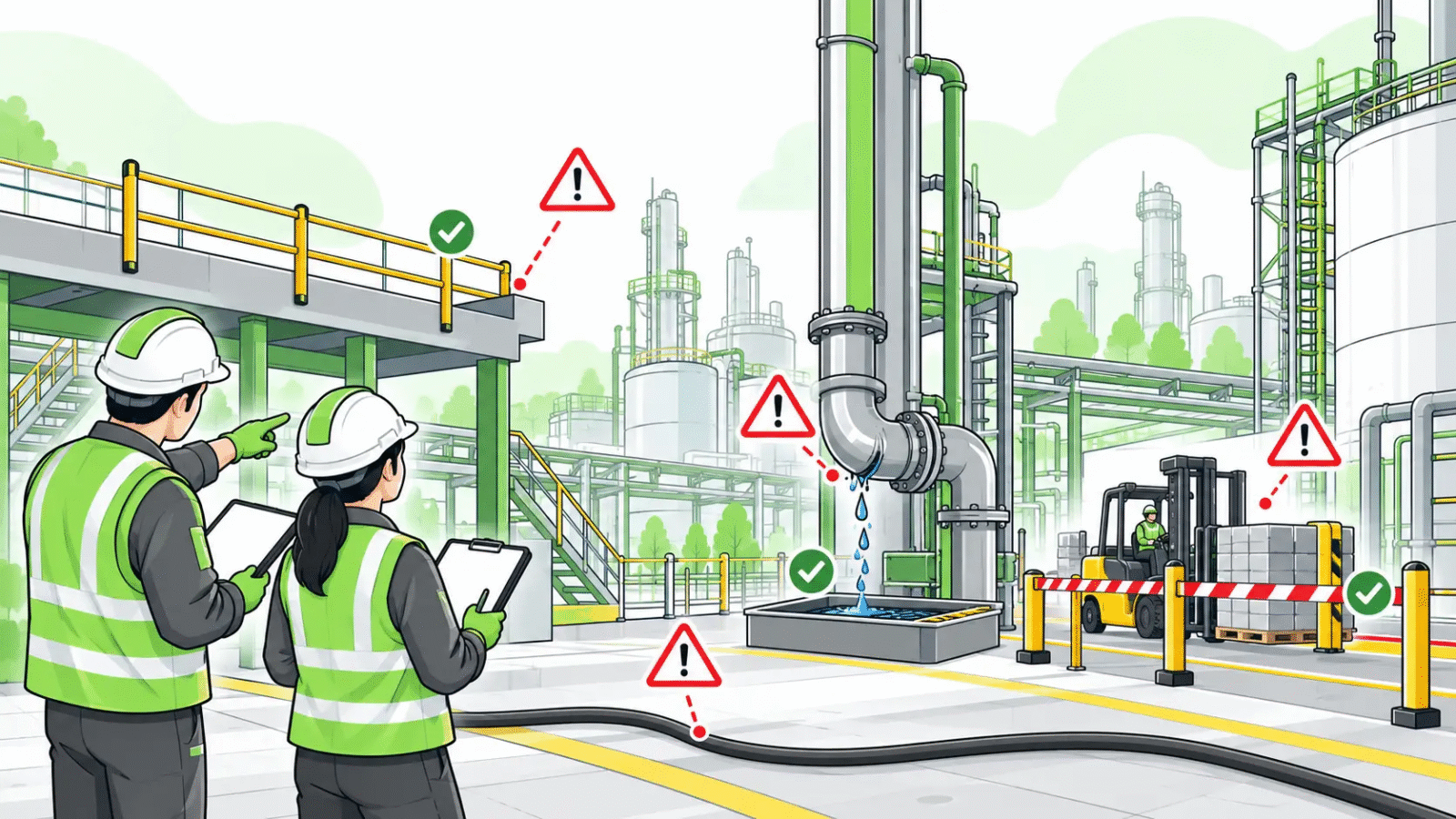

Risk analysis has become a cornerstone of modern business strategy across virtually every sector. Organizations of all sizes are waking up to the fact that identifying and managing potential threats before they materialize is far more cost-effective than scrambling to respond after a crisis hits. Whether a company operates in finance, healthcare, technology, or manufacturing, the ability to assess and mitigate risk can be the difference between long-term success and catastrophic failure. As industries grow more interconnected and complex, the demand for skilled risk analysis professionals and robust assessment frameworks keeps rising steadily.
Risk Analysis in the Financial Sector
The financial industry has long been at the forefront of risk analysis, largely because of the inherent volatility of markets and the high stakes involved in lending, investing, and insurance. Banks and investment firms routinely conduct credit risk assessments, market risk evaluations, and liquidity analyses to protect both their assets and their clients. Regulatory bodies require financial institutions to demonstrate sound risk management practices, pushing the industry to continuously refine its methodologies. This environment creates enormous opportunities for analysts who can interpret complex data and translate findings into actionable strategies. For risk professionals, the financial sector remains one of the most rewarding fields available, both in terms of career growth and compensation.
Healthcare and Compliance Risk Management
Healthcare is an industry where the consequences of unmanaged risk can literally be a matter of life and death. Beyond clinical concerns, healthcare organizations face significant operational, legal, and regulatory challenges that require thorough evaluation on a continuous basis. When working to protect sensitive patient data and maintain regulatory compliance, conducting a HIPAA risk assessment helps healthcare providers identify vulnerabilities in how they handle protected health information, ensuring patient data remains secure and that the organization stays compliant with federal regulations. Hospitals, clinics, and health tech companies all need professionals who understand both the medical and administrative dimensions of risk. As healthcare continues to digitize and expand into telemedicine and wearable technology, the complexity and importance of risk analysis in this space will only grow.
Manufacturing and Supply Chain Vulnerabilities
Manufacturing companies operate within intricate supply chains that are susceptible to disruptions ranging from natural disasters to geopolitical tensions. Risk analysis in this sector involves evaluating supplier reliability, production bottlenecks, equipment failure rates, and logistical challenges that could bring operations to a halt. The COVID-19 pandemic exposed just how fragile global supply chains can be, prompting manufacturers worldwide to invest heavily in risk assessment tools and contingency planning. Companies that had already built robust risk frameworks were far better positioned to pivot and adapt compared to those caught completely off guard. That reality has opened significant opportunities for risk analysts who specialize in supply chain resilience and operational continuity.
Technology and Cybersecurity Risk
The technology sector faces a rapidly evolving threat landscape, with cyberattacks, data breaches, and software vulnerabilities posing constant challenges to businesses and consumers alike. Risk analysis in tech goes beyond simply identifying threats; it involves quantifying potential damages, assessing the likelihood of various attack vectors, and prioritizing resources to address the most critical vulnerabilities first. Companies developing software, managing cloud infrastructure, or handling sensitive user data must continuously evaluate their security posture to stay ahead of increasingly sophisticated adversaries. The growing reliance on artificial intelligence and machine learning also introduces new categories of risk tied to algorithmic bias and decision-making transparency. For risk professionals with technical backgrounds, this sector offers some of the most dynamic and in-demand career opportunities available today.
Real Estate and Environmental Risk Considerations
Real estate developers, investors, and property managers face a unique blend of financial, structural, and environmental risks that require careful analysis before any major decision is made. Environmental risk assessments evaluate factors such as flood zones, soil contamination, climate change exposure, and local regulatory requirements that could significantly impact property values or development timelines. Financial modeling must account for market fluctuations, interest rate changes, and tenant default probabilities to give investors an accurate picture of potential returns. As climate-related risks become more pronounced, environmental due diligence is rapidly moving from a nice-to-have to an absolute necessity in real estate transactions. This shift is creating growing demand for specialists who can bridge the gap between environmental science and real estate finance.
Conclusion
Risk analysis is no longer a specialized function reserved for large corporations or heavily regulated industries. It has evolved into a universal business discipline that creates real value across every sector and organizational level. As industries continue to change and new challenges emerge, the professionals and organizations that invest in strong risk assessment practices will be the ones best positioned to thrive.