
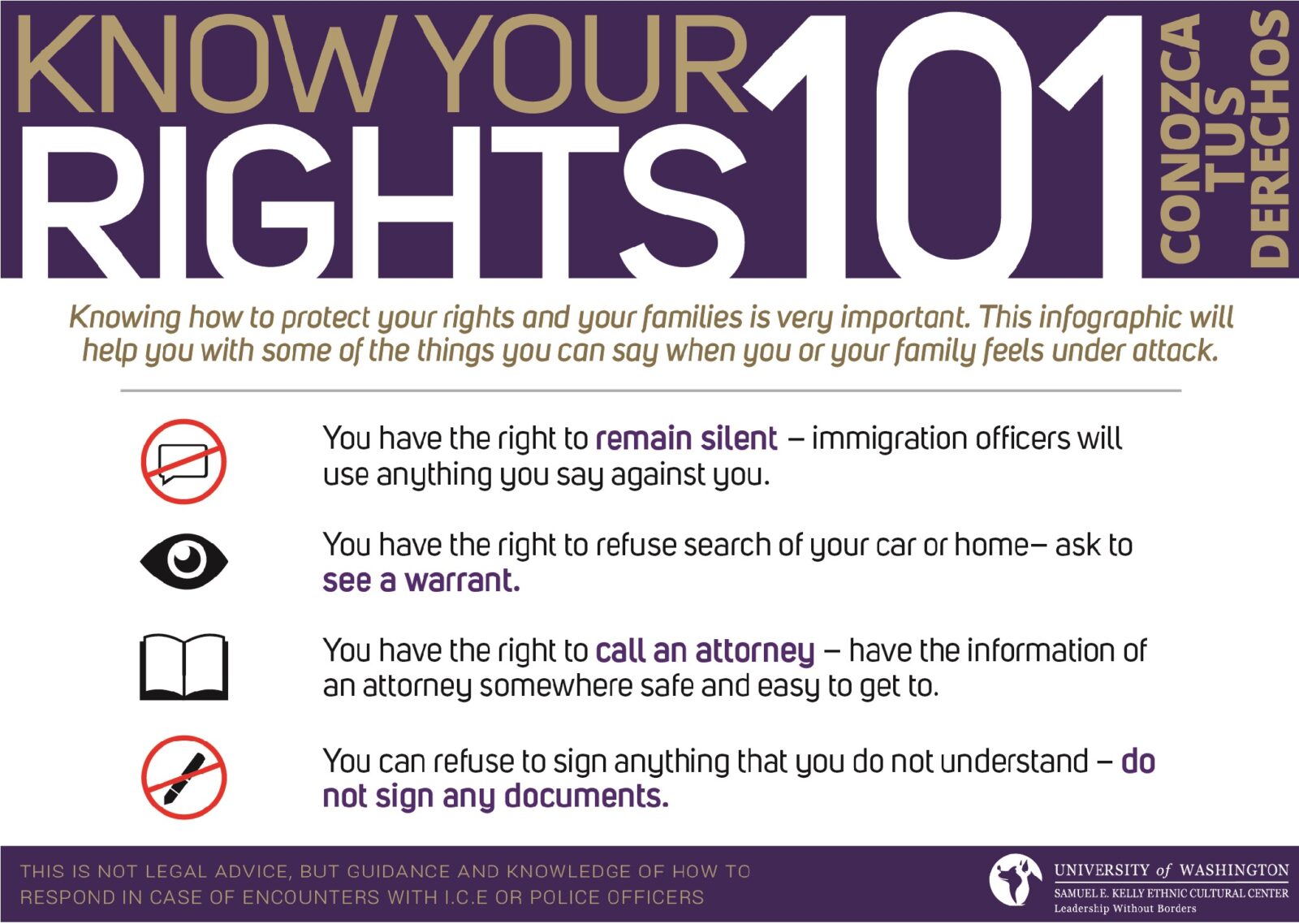

Signing a document is the exact legal moment you trade a promise for a consequence. Whether you are finalizing an employment contract, navigating unlawful firing cases with a previous employer, or signing a lease for a new home, that single stroke of a pen binds you to conditions that can shape your life for years. Many of us sign these papers under pressure or out of sheer habit, yet treating contracts as mere formalities is one of the most significant financial and legal risks a person can take.
The True Cost of “Blind Signing”
Blind signing happens when you execute a legal document without fully understanding its long-term restrictions. It is easy to see why we do it—the font is microscopic, the paragraphs are dense, and the person across the desk is usually smiling and telling us it is “just standard procedure.”
According to a study published in the Journal of Legal Education, fewer than 5% of consumers read privacy policies and standard terms of service before agreeing to them.
While skipping the fine print on a streaming application might only risk a price hike, skipping it on major lifestyle or career agreements can result in severe setbacks. This blind trust can lead to high exit fees, loss of creative ownership, or waived legal rights.
3 Hidden Legal Clauses You Must Look For
1. Mandatory Arbitration Agreements
These clauses strip away your right to take a future dispute to a public court. Instead, they force you to settle any legal disagreements through a private arbitrator—a process that often favors large corporations over individuals.
2. Broad Non-Compete Clauses
A poorly written non-compete clause can legally bar you from working in your own industry for months or years after leaving a job. To safeguard your career progression, it helps to understand how these restrictions impact your professional growth and personal development. Look closely at the geographic scope and time limits before agreeing to these terms.
3. Automatic Renewal and Liquidated Damages
Leases and service agreements frequently include clauses that automatically lock you into another full term unless you opt out by a precise date. They may also include heavy financial penalties (liquidated damages) for ending a contract early.
Protecting Your Career: The Power of Knowledge
Knowing your baseline employee protections is your primary defense against toxic or unfair work environments. Employment contracts frequently include language designed to maximize a company’s leverage, often pushing the absolute boundaries of regional labor laws.
When a contract contains unfair termination guidelines or forces you to waive your workplace rights, being informed helps you spot the red flags before it is too late. For complex structural agreements, you can read the comprehensive guidelines on employment contracts provided by the American Bar Association to better understand standard regulatory protections. Keeping a sharp eye out for vague language ensures your employer is held accountable to the law from day one.
Practical Steps to Take Before Signing Anything
Understanding a contract does not require a law degree; it just requires a structured approach. Use this simple four-step routine whenever you are handed an important document to sign.
1.Request a digital copy in advance:At least 24 hours prior.
Never sign a major contract on the spot. Always ask for a copy ahead of time so you can review the text in a quiet, low-pressure environment.
2.Highlight every single defined term:Look for capitalized words.
Contracts rely on highly specific definitions. Words like “The Company,” “Effective Date,” or “Cause” have unique legal meanings that govern the entire document.
3.Cross out or negotiate unfair clauses:Do not accept the first draft.
Everything in a contract is negotiable. If a clause feels heavily one-sided, propose an amendment or ask for it to be removed entirely before finalizing.
4.Secure a fully executed counter-copy:The final protective step.
Once both parties sign, make sure you receive a complete copy containing both signatures. Store this document safely in your own digital files.
When to Walk Away or Seek Professional Help
You should walk away from a deal if the other party refuses to give you time to read the document or objects to reasonable clarifications. A trustworthy partner, landlord, or employer will always respect your desire to understand what you are agreeing to.
If the financial stakes are high—such as buying a home, launching a business partnership, or agreeing to a complex severance package—investing a few hundred dollars to have an attorney review the paperwork can save you thousands of dollars down the line. Treat your signature as a valuable asset, and guard it accordingly.