
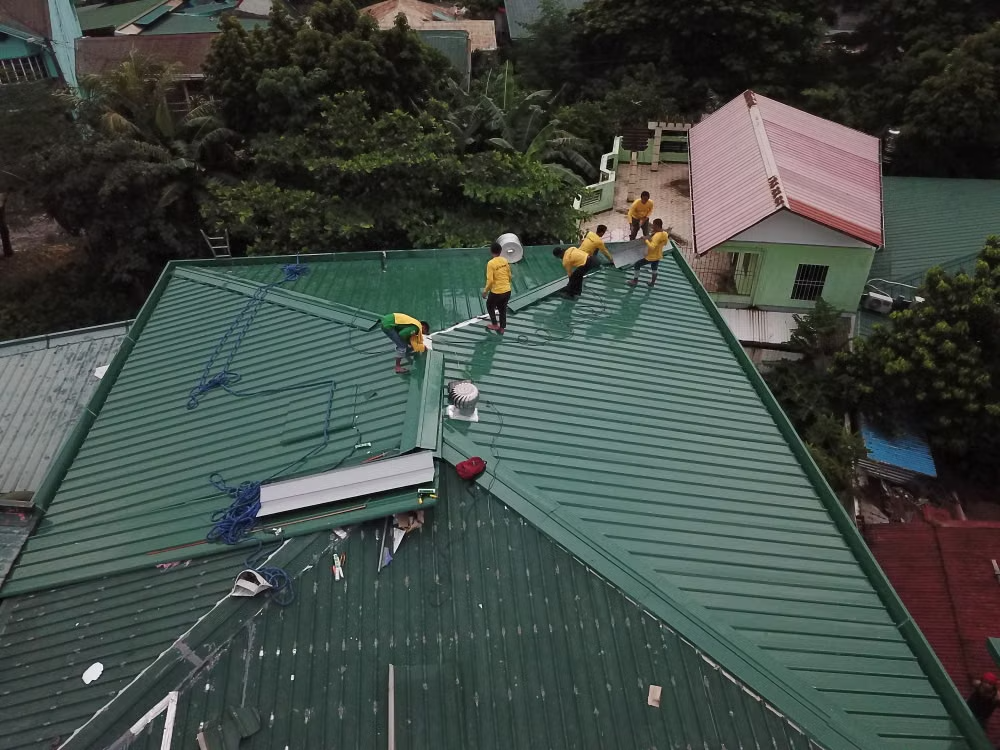

Your roof is one of the most critical components of your home, quietly doing its job day after day while shielding everything beneath it from rain, wind, and heat. But like any structural element, it has a finite lifespan, and eventually, replacement becomes unavoidable. The trouble is that many homeowners put off addressing roofing issues until the damage has already spiraled into something far more serious, including water intrusion, mold growth, and weakened structural integrity. Understanding the warning signs that point toward roof replacement can save a considerable amount of time, money, and stress before things get out of hand.
Shingles That Are Curling, Cracking, or Missing Entirely
The condition of your shingles tells you a lot about where your roof stands. Shingles that are curling at the edges or cupping in the center have been through too many cycles of moisture absorption and temperature swings, and the material simply warps under that repeated stress. Cracked shingles are just as problematic, since they open up pathways for water to work its way beneath the surface and into the underlayment below. Missing shingles take that problem further by leaving sections of your roof with no protection whatsoever, giving rain and debris a direct route into your home. When these issues appear across a wide portion of the roof rather than one small spot, ongoing patch repairs rarely make financial sense. At that point, a full replacement is almost always the smarter, more cost-effective path forward.
Significant Granule Loss in Your Gutters
Asphalt shingles rely on a layer of small granules to shield the underlying material from ultraviolet rays and harsh weather. As a roof ages, those granules gradually loosen and wash away, eventually collecting in gutters and downspouts. If you are scooping sand-like debris out of your gutters after a rainstorm, or if dark, bare patches are visible on your shingles from the ground, granule loss is likely happening at a significant rate. That deterioration speeds up the overall aging process, leaving the shingles increasingly vulnerable to cracking and water infiltration. A roof that has shed a substantial portion of its granules is no longer holding up its end of the bargain and deserves a thorough evaluation from a qualified roofing professional sooner rather than later.
Water Stains, Leaks, or Mold Inside Your Home
Interior warning signs tend to be the most unsettling because they confirm that water has already found its way through your roof system. Brown or yellowish stains spreading across ceilings or upper walls are a reliable signal that moisture is coming from above, not just a plumbing issue elsewhere in the house. Active dripping during or after heavy rain is even more urgent and demands immediate attention to limit further structural harm. Mold or mildew discovered in the attic is another serious red flag, suggesting that moisture has been sitting and accumulating for a while, not just from a recent storm. Homeowners dealing with leaks that keep returning despite repeated repairs often find, through conversations with Austin roofing professionals, that the issue is widespread roofing failure rather than a single isolated weak point, which makes replacement the only truly practical solution.
A Sagging or Structurally Compromised Roofline
A roofline that visibly sags, dips, or bows is among the most serious things a homeowner can observe from the ground or the attic. Sagging almost always points to decking that has been weakened by prolonged moisture exposure, or to structural supports beneath the shingles that have started to break down over time. This is not a cosmetic issue. It goes directly to the integrity of your home’s framework and represents a genuine safety concern that should not be pushed down the priority list. A professional inspection can clarify exactly how extensive the damage is, but widespread sagging typically leaves only one reasonable course of action: a full roof replacement to bring the home back to a safe and structurally sound condition.
Your Roof Has Exceeded Its Expected Lifespan
Sometimes the most important warning sign has nothing to do with visible damage. A roof that looks reasonably decent from the street can still be operating well past its intended service life, which carries its own set of risks. Most standard asphalt shingle roofs are built to last somewhere between 20 and 30 years, though that range shifts depending on material quality, installation methods, and local climate conditions. Homes in regions with intense heat, frequent storms, or high humidity often see faster deterioration simply because their roofs are under more environmental stress year-round. If your roof is approaching or has already crossed the 20-year threshold, scheduling a professional inspection is worth doing even when nothing obvious looks wrong. Replacing an aging roof before it fails outright is far less disruptive and expensive than scrambling to manage emergency repairs after a major storm rolls through.
Conclusion
Catching the signs of a failing roof early gives homeowners the advantage of making a planned, informed decision rather than reacting to a crisis. Whether the concern involves deteriorating shingles, granule loss, interior water damage, structural sagging, or simply a roof that has been in place for two decades or more, acting sooner consistently leads to better outcomes. Twice-yearly inspections, along with a checkup after any significant storm, go a long way toward catching problems before they grow. If any of the warning signs described here sound familiar, reaching out to an experienced local roofing contractor is the most important step toward protecting both your home and your long-term investment.