
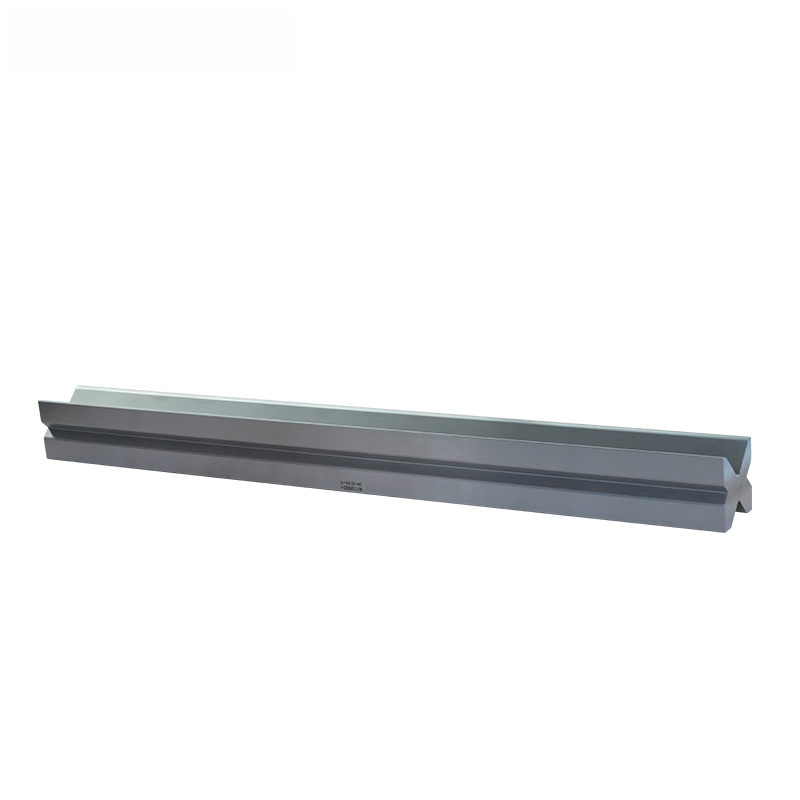

Press brake dies are the bottom and top tools that actually shape the metal when you bend it. The right dies make your bends accurate, clean, and fast. The wrong ones cause bad angles, marks on the metal, extra work, and even damage to your machine. Many shops waste time and money because they pick dies without thinking carefully. This article explains in simple words how to choose the best press brake dies for your jobs. We cover the main types, what to look for, and step-by-step tips to make the right choice every time.
Why press brake dies matter so much
Dies control the bend angle, the inside radius, and how the metal looks after bending. A small difference in die width or shape can change the final part by several degrees. Good dies also help you avoid springback problems and reduce the force your press brake needs. When you choose the right dies, you get consistent parts, less scrap, and faster production. Poor choices lead to scratched surfaces, cracked material, and extra setup time. That is why taking time to pick the correct dies is one of the smartest things you can do in your shop.
Common types of press brake dies
There are several basic types of dies that most shops use every day.
V-dies are the most popular. They have a V-shaped groove in the bottom tool. You pair them with a punch on top. V-dies come in many opening widths, from narrow ones for thin sheet to wide ones for thick plate. They work well for most air bending and bottom bending jobs.
U-dies create a U-shape instead of a simple V. They are useful when you need a deeper channel or a box-like bend.
Hemming dies let you fold the edge of the metal over onto itself for a smooth, safe edge. They are common in doors, panels, and enclosures.
Gooseneck punches and special shaped dies help you make complex bends or reach into tight areas without hitting the already bent part.
4 way press brake dies give you four different V-opening sizes in one single die block. This saves time because you can flip the die instead of changing tools for different material thicknesses.
Each type has its own best uses. Knowing these helps you match the die to the part you need to make.
Factors to consider when choosing dies
Several things affect which die is right for your job.
First, look at the material type and thickness. Mild steel, stainless steel, and aluminum all behave differently. Thicker material needs wider die openings and stronger tooling.
Second, decide on the bend radius you want. The die opening width directly controls the inside radius. A general rule is that the die opening should be about 8 times the material thickness for standard air bending. Narrower openings give tighter radii but need more force.
Third, think about the bend angle. Most V-dies work for 90-degree bends, but you may need special angles or acute dies for sharper bends.
Fourth, check the length of your parts. Make sure the die is long enough for the longest piece you bend. Using a short die on a long part can cause uneven pressure and bad bends.
Fifth, consider the tonnage your press brake can apply. Some dies need higher force, especially for bottoming or coining operations.
Finally, think about how often you will use the die. High-volume shops need durable, hardened steel dies that last for thousands of bends.
Material and hardness of the dies
Press brake dies are usually made from tool steel. The hardness level matters a lot. Softer dies are easier to machine but wear out faster. Harder dies last longer and keep their shape, but they can be more brittle.
Look for dies with a hardness of at least 50-55 HRC for normal work. For heavy use or abrasive materials, choose even harder options or add surface treatments like nitriding.
Good quality dies also have smooth, polished surfaces to reduce friction and prevent marks on your sheet metal. Cheap dies with rough surfaces often leave scratches that need extra sanding or polishing later.
Die opening size and V-width rules
The V-opening width is one of the most important numbers when choosing dies. Here is a simple way to think about it:
- For thin material (under 1.5 mm), use a 6 mm to 12 mm V-opening.
- For medium thickness (2 mm to 4 mm), 16 mm to 25 mm openings work well.
- For thicker plates (6 mm and up), you may need 40 mm, 50 mm, or even wider openings.
A wider opening reduces the required tonnage and gives a larger bend radius. A narrower opening gives a tighter radius but needs more force and can cause more springback.
Always test with a small piece of scrap before running a full batch. Adjust the V-width until you get the angle and radius you need.
Many shops keep a set of standard V-dies in common sizes so they can switch quickly between jobs.
Single V dies vs multi-V dies
Single V dies have one opening and are simple to use. They are great when you do the same thickness all day.
Multi-V dies, like the popular 4 way press brake dies, give you more flexibility. With one tool you can handle four different material thicknesses by rotating the die. This saves a lot of tool change time and keeps your press brake running longer each shift.
If your shop bends many different thicknesses or runs small batches, multi-V dies are often the smarter choice. They cost a bit more upfront but pay back quickly through higher productivity.
Punch and die matching
The top punch must match the bottom die properly. The punch tip angle and width should fit the V-opening. A mismatch causes poor contact, uneven wear, and bad bend quality.
For air bending, the punch should be slightly narrower than the die opening. For bottom bending or coining, the punch and die fit more tightly to create sharper, more accurate angles.
Keep punch and die sets together and label them clearly. This simple habit prevents many setup mistakes.
Budget and quality balance
You can buy cheap dies that seem like a good deal, but they often wear quickly, lose accuracy, and damage your parts. Spending a little more on quality dies from a reputable supplier usually saves money in the long run through longer life and better results.
Look for suppliers who offer precise machining, good heat treatment, and clear specifications. Ask about warranty and replacement options.
If you are just starting out or have a small shop, begin with a basic set of V-dies and a few common punches. As your work grows, add specialized dies like hemming or gooseneck tools.
Safety and storage tips
Handle dies carefully because they are heavy and have sharp edges. Always use proper lifting equipment and wear gloves.
Store dies in a dry place, preferably on racks that keep them organized and easy to find. Label each die with its V-width and length. This makes setup much faster and reduces the chance of using the wrong tool.
Clean dies after every shift to remove metal dust and debris. A quick wipe and light oiling prevents rust and keeps the surfaces smooth.
Final steps to make the right choice
Follow these steps when choosing press brake dies:
- List the materials and thicknesses you bend most often.
- Decide the most common bend radii and angles you need.
- Calculate the required V-opening sizes using simple rules or your machine’s software.
- Choose between single V or multi-V designs based on your variety of work.
- Match punches to the dies you select.
- Set a realistic budget and buy the best quality you can afford.
- Test the dies on scrap material before full production.
Taking these steps will help you avoid common problems and get clean, accurate bends from day one.
If you want to see a good example of flexible tooling, check out these 4 way press brake dies. They can make your daily work much easier.
For more press brake tools, machines, and helpful guides, visit https://miharmle-cnc.com/.
Choosing the right press brake dies takes a little thought, but it makes a big difference in your shop’s output and part quality. Start with the basics, test carefully, and build your die collection as your needs grow. Good dies will help you produce better parts with less effort and fewer headaches.