

Introduction
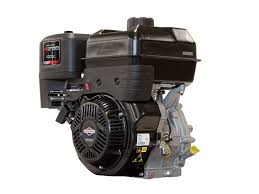
Across Canadian industrial facilities and property management operations, small gasoline engines power pressure washers, log splitters, tillers, pumps, and generators. These machines operate in remote locations where electrical outlets are unavailable. A Briggs & Stratton XR2100 gas engine provides consistent power for demanding applications. In maintenance yards, construction sites, and rural properties, these engines support equipment operation in variable temperatures from summer heat to autumn chill. Reliable engine starting and sustained operation directly affect work schedules and maintenance productivity. Equipment downtime caused by engine failure can delay projects and increase labor costs.
A property management company in Ontario maintained several rental properties with extensive landscaping. Gas-powered pressure washers used for deck cleaning required reliable engines that started after sitting for weeks. The company standardized on equipment powered by engines with cast iron cylinder sleeves. Maintenance staff reported fewer starting issues and reduced downtime compared to previous engines that required repeated pulls or carburetor cleaning.
Design Principles and Four-Stroke Operation
The engine uses a four-cycle design with overhead valves. Unlike two-stroke engines that mix oil with fuel, four-stroke engines have a separate oil reservoir. This design reduces exhaust smoke and extends engine life. The overhead valve configuration places the valves in the cylinder head rather than the engine block, improving combustion efficiency and reducing fuel consumption.
The engine operates through four distinct strokes. The intake stroke draws air and fuel into the cylinder. The compression stroke compresses the mixture. The power stroke ignites the mixture, driving the piston downward. The exhaust stroke expels combustion gases. This cycle repeats thousands of times per minute, converting chemical energy into rotational force delivered through the crankshaft.
Key design features include:
- Four-cycle overhead valve design
- Separate oil reservoir for lubrication
- Cast iron cylinder liner for wear resistance
- Forged crankshaft for strength
- Computer-designed combustion chamber
Durability Features for Extended Service Life
Extended service life depends on internal component quality. The Dura-Bore cast iron cylinder sleeve provides a wear-resistant surface that maintains compression over thousands of operating hours. Cast iron is harder than the aluminum alloy used for the engine block, resisting the scoring and scratching that occurs as piston rings move up and down. This feature matters in Canadian conditions where equipment may be stored for months during winter and then pressed into heavy spring service. Engines with cast iron sleeves resist cylinder scoring that can occur after extended storage periods.
The forged crankshaft construction withstands the torsional stresses of high-torque applications. Forging aligns the grain structure of the steel, creating a stronger component than cast or billet crankshafts. This strength is essential for applications like log splitters, where the engine experiences sudden load changes as wood splits.
The computer-designed overhead valve configuration improves combustion while reducing fuel consumption. The overhead valve design allows higher compression ratios than side-valve engines, extracting more work from each fuel charge.
Starting Reliability and Ignition Technology
Equipment operators value engines that start quickly after storage. The Magnetron electronic ignition system eliminates breaker points that wear and require adjustment. This solid-state system delivers consistent spark timing regardless of engine speed. In practical terms, this means fewer starting failures and less maintenance time spent on ignition components.
Recoil start mechanisms on small engines must withstand repeated pulls without failure. The design incorporates reinforced recoil housings and durable starter ropes that resist fraying. For equipment used daily, this reliability translates to consistent productivity without unexpected repairs.
A rural landowner used a log splitter seasonally for firewood production. The splitter engine started reliably each autumn after summer storage when proper fuel stabilization procedures were followed. The owner completed firewood processing each year without engine-related service interruptions.
Fuel Efficiency and Operational Economics
Fuel consumption affects operating costs for equipment used extensively. Overhead valve engine designs typically consume less fuel than comparable side-valve engines. The combustion chamber shape promotes complete burning of the air-fuel mixture, extracting more work from each gallon of gasoline. The 1.7 gallon fuel tank extends operating intervals between refueling stops. For grounds maintenance crews covering large properties, longer run times mean fewer trips back to the refueling station.
Factors Affecting Engine Performance
Several conditions influence how this engine performs in daily use. Stale gasoline can clog carburetor passages and cause hard starting. Low oil levels accelerate internal wear. Dirty air filters restrict airflow, reducing power output. Cold temperatures thicken engine oil, increasing starting resistance.
Performance factors to consider include:
- Fuel quality and freshness affect starting
- Oil level and condition impact wear rates
- Air filter cleanliness determines power output
- Ambient temperature influences starting ease
- Load characteristics affect engine response
Safety Practices and Maintenance Guidelines
Safe operation of any gasoline engine requires several key practices. Operators should avoid running engines in enclosed spaces where carbon monoxide can accumulate. Refueling should only occur on cool engines to prevent fuel ignition from hot surfaces. Winter storage requires either complete fuel drainage or addition of fuel stabilizer to prevent gum formation in carburetors.
Key safety practices include:
- Operate only in well-ventilated areas
- Allow engine to cool before refueling
- Keep combustible materials away from exhaust
- Use proper oil viscosity for temperature
- Store equipment with fuel stabilizer
Advantages
- Cast iron cylinder sleeve for wear resistance
- Electronic ignition for reliable starting
- Large fuel tank for extended operation
- Forged crankshaft for durability
- Overhead valve design for fuel efficiency
- EPA approval for emissions compliance
Limitations
- Recoil start requires physical effort
- Not electric start equipped
- Regular oil changes required
- Fuel stabilization needed for storage
- Emits exhaust requiring ventilation
Industry Outlook
Small gasoline engines remain essential for remote power applications where electricity is unavailable. Cast iron cylinder sleeves and electronic ignition systems have improved reliability significantly over earlier engine designs. As emissions standards evolve, future engines will incorporate electronic fuel injection and improved combustion systems. Equipment managers should evaluate engine durability features when selecting equipment for frequent use or extended storage periods. The combination of cast iron construction and electronic ignition makes this engine suitable for diverse Canadian outdoor power equipment applications.