
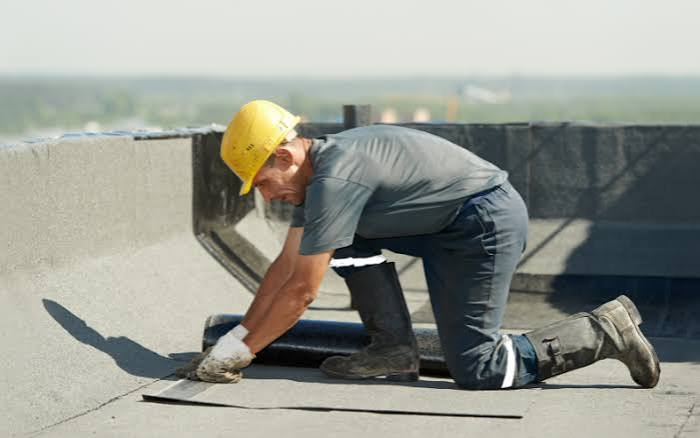

Commercial roofing systems are built to last, but like any major investment, they require routine maintenance to perform at their best. Unlike steep residential roofs that naturally shed water quickly, most commercial roofs are flat or low-sloped. Because of this design, regular inspections and preventative maintenance are critical to maximizing the lifespan of the roofing system and avoiding costly repairs.
One of the biggest challenges with flat roofing is standing water, often called ponding water. If drains become clogged with leaves, dirt, or debris, water can remain on the roof long after a storm. Over time, standing water can place additional stress on the roofing membrane, increase the risk of leaks, and shorten the life of the roof.
Routine maintenance helps identify small problems before they become expensive emergencies. During a commercial roof inspection, roofing professionals examine the membrane, flashing, seams, roof penetrations, drains, coping, edge metal, and rooftop equipment. Catching loose flashing, damaged seams, or small punctures early is much less expensive than repairing extensive water damage later.
Flat roofing systems also experience constant expansion and contraction as temperatures change throughout the year. In Northeast Ohio, roofs endure freezing winters, hot summers, heavy snow, ice, and severe storms. These weather conditions can gradually affect seams, sealants, and flashing if they are not inspected regularly.
Keeping drains and gutters clean is another important part of commercial roof maintenance. A properly functioning drainage system allows rainwater to leave the roof quickly, reducing the risk of ponding water and protecting the building’s structure.
Many commercial buildings also have HVAC units, vents, skylights, and other rooftop equipment. These penetrations require flashing and sealants that should be inspected periodically to ensure they remain watertight. Small issues around rooftop equipment are one of the most common sources of commercial roof leaks.
Preventative maintenance can also extend the life of roofing systems such as EPDM, TPO, PVC, and modified bitumen. Regular inspections allow contractors to make minor repairs before damage spreads, helping building owners postpone a full roof replacement and reduce long-term ownership costs.
Building owners should consider scheduling professional roof inspections at least twice a year—typically in the spring and fall—and after major storms. Routine inspections help document the roof’s condition, identify developing issues, and keep the roofing system performing as designed.
A commercial flat roof protects valuable equipment, inventory, employees, tenants, and customers every day. Investing in regular maintenance is one of the smartest ways to protect that investment. By addressing small concerns early, building owners can improve roof performance, reduce unexpected repair costs, and maximize the lifespan of their commercial roofing system for many years to come.