
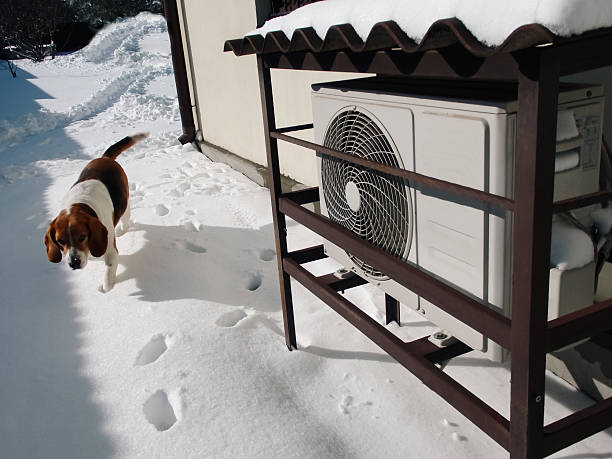

The first winter is when a household discovers how its new heat pump behaves in real weather. A clear winter plan should be agreed before the outdoor unit is installed, particularly where frost, snow or extended cold periods are part of the local climate. The plan needs to cover the building’s heating requirement, normal defrost operation and the response to a fault. A low minimum operating temperature in a brochure answers only one of those questions.
Use Local Conditions in the Heating Design
Europe contains very different heating conditions. A coastal property and an inland home at altitude should not inherit the same assumptions simply because they have similar floor areas. Ask the designer to identify the location and outdoor design conditions used in the calculation. The quotation should then explain how the selected unit and any supplementary heating meet the assessed requirement.
The R290 monoblock heat pump range provides a product starting point for that discussion. Request capacity information for the proposed model at the required water temperature and relevant outdoor conditions. Distinguish the ability to remain operational from the amount of useful heat available. That distinction helps the household understand the design without interpreting the lowest advertised temperature as a complete winter guarantee.
Ask How Defrost Is Accommodated
Energy Saving Trust’s installer toolkit explains that domestic air source systems sometimes use a defrost cycle to clear ice from the outdoor heat exchanger. Its guidance also addresses system water volume and frost protection. These are design matters for the installer. The homeowner needs an explanation of what normal operation looks like and when a persistent problem should be reported.
At handover, ask the installer to describe the indicators that may appear during defrost and how these differ from a fault message. Keep that explanation beside the controller instructions. If the unit repeatedly reports errors or the home cannot maintain its agreed temperature, record the conditions and contact the service provider. Do not attempt to alter refrigerant components or remove ice with tools.
Review the Outdoor Location in Winter Conditions
Evaluate the proposed location as it will be used throughout the year. Ask the installer to assess service access, drainage, exposure and the clearances required by the manufacturer. A position that is convenient in dry weather may create practical access problems after snow or freezing rain. The installation drawing should identify the finished ground arrangement rather than leave it as a decision for delivery day.
The household can contribute useful local knowledge. Explain where snow is normally cleared, which path is used each morning and where garden furniture is stored. The installer should decide how these activities interact with the equipment’s requirements. Avoid adding a decorative enclosure or moving stored items around the unit without checking the approved clearances and ventilation provisions.
Clarify Supplementary Heating and Power Interruptions
Ask whether the proposed system includes supplementary heating, what role it serves and how its use is recorded. A homeowner should not discover the existence of a backup heater only after seeing an unfamiliar electricity reading. The commissioning notes should explain the intended control strategy and who may change protected settings.
Discuss loss of electricity as a separate scenario. Request written instructions covering the system’s frost protection design, any actions permitted to the owner and the point at which professional assistance is required. There is no single homeowner procedure suitable for every hydraulic arrangement. Copying instructions from another model can conflict with the equipment installed at the property.
Keep a Short Record During the First Cold Spell
A useful first-winter record contains the outdoor conditions, room temperatures, any controller messages and the relevant meter readings. Use consistent times and note unusual events such as guests or an extended absence. This gives the installer something more useful than a general statement that the system seemed different last week.
Devotion describes remote technical assistance among its support offerings. Confirm what access is available for the specific installation and who can authorize it. A local service contact, understandable records and an agreed review appointment make winter troubleshooting more focused. The aim is a household that knows how its heating should behave and when to ask for help, without turning the owner into the system technician.