
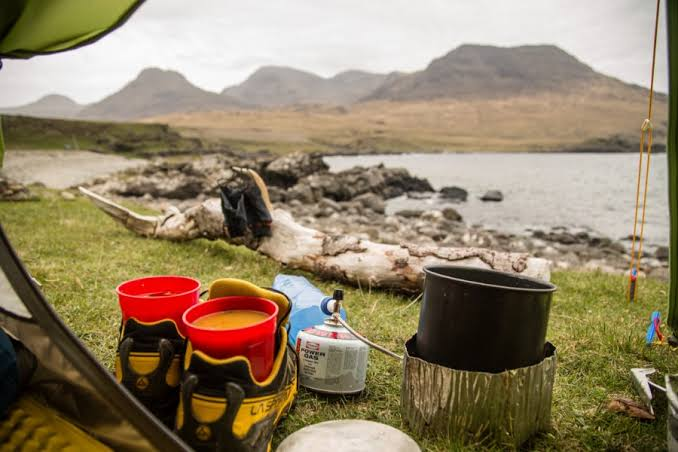

The further you walk, the more your food matters. A short stroll can get away with a couple of biscuits and a bottle of water, but a long walk — or a multi-day camping trip — asks a lot more of your body, and your hiking food needs to keep up. Run low on energy a few miles from the end of a route, and the last stretch can feel twice as hard as it should.
The good news is that high-energy hiking food doesn’t have to be complicated or expensive. With a bit of planning, you can put together a kit bag of snacks and meals that are lightweight, easy to carry, and genuinely capable of fuelling you through a long day on your feet — or several days back to back. Here’s what to pack, how much, and why it makes a difference.
Why High-Energy Food Matters on Long Walks
Walking for several hours burns through your energy reserves steadily, and on longer or hillier routes, that burn rate climbs fast. Without enough fuel, you’ll notice it: heavy legs, flagging concentration, a dip in mood, and a general sense that the last few miles are dragging. This is often called “hitting the wall,” and it’s almost always avoidable with the right hiking food.
The best high-energy options share a few common traits:
- High in carbohydrates, for fast-access energy
- Include protein and healthy fats, for longer-lasting fuel
- Calorie-dense relative to their weight, so you’re not carrying more than you need
- Easy to eat on the move, without needing to stop and prepare anything
- Durable enough to survive a rucksack for hours or even days
How Much High-Energy Food Do You Need?
This depends on the distance, terrain and duration of your walk, as well as your own body and fitness level. Steep climbs and rough terrain demand more energy than flat, easy paths, and cold weather tends to increase appetite too.
Rather than saving all your food for a couple of big stops, it’s better to eat little and often — this keeps your blood sugar and energy levels steadier than waiting until you’re already flagging. Always pack more than you expect to need. Long walks and camping trips have a habit of taking longer than planned, whether due to weather, terrain, or simply wanting to enjoy the scenery a bit longer. And don’t let food distract from the basics — staying properly hydrated matters just as much as eating enough.
Best High-Energy Snacks for the Trail
These are the snacks worth having on hand throughout a long walk, whether you’re grazing steadily or topping up before a tough climb:
- Trail mix
- Nuts and seeds
- Dried fruit
- Energy bars
- Cereal bars
- Flapjacks
- Dark chocolate
They’re compact, don’t spoil easily, and combine quick-release sugars with slower-burning fats and protein — ideal for sustained effort over several hours.
High-Energy Lunches and Meals
For a longer walk, lunch needs to do more than just take the edge off hunger. Look for options that combine carbohydrates, protein and fat to keep you going through the afternoon:
- Sandwiches or wraps with a protein-rich filling
- Tortilla wraps with cheese, hummus or cured meats
- Pasta or couscous salads
- Crackers with cheese
- Filled pitta bread
These all travel well, need no preparation once you’re out, and give you a proper meal without weighing your pack down.
Fuel for the Toughest Stretches
On especially long or demanding days, it’s worth carrying a few dedicated high-energy options for when you really need a boost:
- Energy gels or chews, for a fast hit of carbohydrate on steep climbs
- Nut butter sachets, easy to eat straight or spread on crackers
- A combination of carbohydrates, protein and fats in one snack, for sustained energy rather than a quick spike and crash
- Compact meals that can be eaten cold or made with just hot water, useful when you don’t have time or energy to stop for long
Variety helps here too. Eating the same snack repeatedly over a long day — or several days of camping — gets old fast, so mix sweet and savoury, and don’t rely on just one type of food to get you through.
High-Energy Camping Meals for Multi-Day Trips
When a long walk turns into a multi-day camping trip, your evening meals need to properly refuel you for the next day, not just fill a gap. Good options include:
- Instant or quick-cook pasta with a sauce sachet or dried vegetables
- Couscous or rice dishes with added protein, such as tinned fish or dried chorizo
- Dehydrated camping meals, which only need boiling water
- One-pot meals that minimise washing up and effort at the end of a long day
A hearty, high-calorie evening meal makes a real difference to how you feel the next morning, especially if you’re walking again the following day.
Best D of E Meals for a Duke of Edinburgh Expedition
Nowhere is high-energy hiking food more important than on a Duke of Edinburgh expedition, where participants are typically covering long distances over multiple days while carrying and cooking all their own food. D of E meals need to be lightweight, practical, and calorie-dense enough to sustain a genuinely demanding schedule.
A well-planned set of D of E meals usually includes:
- Lightweight dehydrated meals, designed specifically for hiking and camping
- Instant pasta and noodles, quick to prepare and easy to bulk out
- Couscous-based meals, compact and fast to cook
- Quick-cook rice dishes
- Oat-based breakfasts, such as porridge sachets, for a strong start to the day
- High-energy snacks, including trail mix, cereal bars and dried fruit
- Hot drinks, which help with both hydration and morale after a long stretch of walking
The challenge is balancing weight, nutrition and convenience — carrying too much food adds unnecessary weight to an already heavy pack, while too little risks running short of energy on the most demanding days. It’s well worth testing meals at home before the expedition itself, so you know exactly how long they take to prepare and whether they’ll actually keep you going.
A sample day’s high-energy food for a D of E participant might look like:
- Breakfast: Porridge sachet with dried fruit and a hot drink
- Packed lunch: Wrap with cheese or cured meat, crackers, and a handful of nuts
- Evening meal: Dehydrated meal or instant pasta with added protein
- Snacks throughout the day: Cereal bars, trail mix, dried fruit and an emergency energy bar
Packing High-Energy Food for Long Walks
A few practical tips to keep your food organised and in good condition over a long day or multi-day trip:
- Use resealable bags or lightweight containers to save space and weight
- Keep your most-used snacks somewhere easily reachable, like a hip belt pouch or side pocket
- Protect anything crushable, such as crackers or energy bars, by packing it near the top of your bag
- Keep rubbish and packaging contained in a separate bag as you go
- Factor in the weather — warm days call for extra care with anything that could melt or spoil
Final Thoughts
Long walks and camping trips ask more of your body, and your hiking food needs to rise to the challenge. Prioritise options that are calorie-dense, easy to eat on the move, and built from a mix of carbohydrates, protein and fat — trail mix, energy bars, hearty wraps and one-pot camping meals will all serve you well.
If you’re training for a Duke of Edinburgh expedition, the same principles apply, just with an even sharper focus on weight and reliability. Get your D of E meals planned and tested in advance, and you’ll have the energy you need to enjoy the walk, not just survive it.