
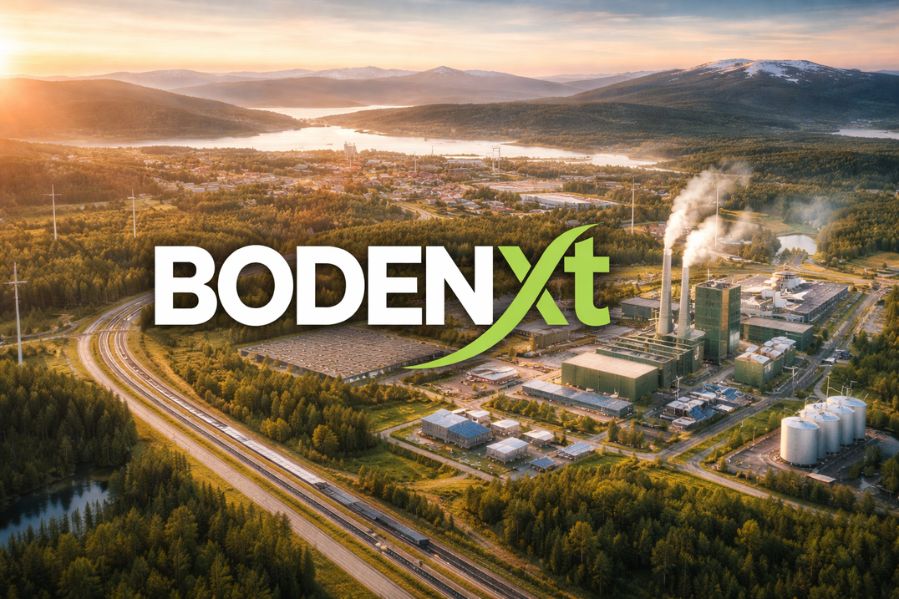

Bodenxt is more than a name or branding. It represents a bold vision for the future of Boden, a northern Swedish city entering a new era of industrial growth, sustainability, and social development. At a time when regions and cities seek to reduce emissions while creating jobs and attracting investment, Boden stands out as an example of how local ambition aligns with global priorities. The idea behind Bodenxt is rooted in real-world transformation, not just boardrooms or policy papers. It is a practical, visible, fast-moving shift across industry, transport, education, housing, and community life. What is especially compelling is that it is not just about factories or headlines. It is about reimagining a modern industrial city built on green technology, long-term planning, and human-centred growth.
What Bodenxt Really Means
At its core, Bodenxt marks the next chapter in Boden’s history. The name conveys movement, progress, and a forward-looking identity. For decades, many industrial cities worldwide have represented outdated heavy production, environmental strain, and limited economic options. Boden seeks a new path. Through Bodenxt, the city positions itself where industrial growth need not compromise the environment or daily life. The initiative aligns economic opportunity with sustainability, attracting investors, businesses, workers, families, students, and innovators. Bodenxt is not tied to a single project or company. It is a platform that unites public strategy, private investment, and community planning toward a single long-term direction.
The Green Industrial Revolution at the Heart of Bodenxt
The main driver of Bodenxt is the rise of the fossil-free, low-emission industry. Boden is closely linked to major investments in green steel, hydrogen production, and other climate-focused solutions. These shifts matter not just for Sweden, but also for the global manufacturing sector, under pressure to decarbonise. Traditional steel production is one of the world’s most carbon-heavy industries, so moving to fossil-free steel has drawn international attention. In the Bodenxt vision, these projects are not isolated ventures but the economic engine of broader social change. This sets Boden apart. The city is not only welcoming a major employer—it is forging an identity as part of the solution to a key global challenge: maintaining industry while sharply cutting emissions.
Why Boden Is Uniquely Positioned for This Change
Geography, energy access, and political readiness explain why Bodenxt is such an important story. Northern Sweden offers advantages for sustainable industry: clean energy, available land, strong infrastructure potential, and a culture used to major industrial activity. Simultaneously, international demand for low-footprint materials is growing. Boden builds on genuine strengths and responds to real market change. The city’s transformation feels grounded, not speculative. Bodenxt shows a place using its assets effectively, aligning local capacity with future global needs. The balance of realism and ambition helps capture attention.
Infrastructure as the Backbone of Bodenxt
No industrial transformation succeeds without serious infrastructure investment, and this is where Bodenxt is especially practical. Heavy industry needs reliable transport, logistics, power, and land to enable long-term growth. In Boden’s case, infrastructure is a foundational requirement, not an afterthought. New rail connections, transport planning, and park development are part of preparing the city for rapid growth. Large sustainability projects often fail when systems are slow, fragmented, or underprepared. Bodenxt recognises that a green industrial future depends on railways, roads, utilities, and planning that enable large-scale operations. Infrastructure signals the initiative is serious, not just symbolic.
Community Growth Beyond the Factories
One of the most important things about Bodenxt is that it does not define progress only as industrial output. A city cannot absorb major investment and population growth without considering housing, schools, healthcare, public services, and everyday quality of life. Here, the initiative becomes deeply human. If thousands of new workers, specialists, and families are expected to move into the region over time, urban development must keep pace with industrial expansion. Bodenxt therefore addresses housing, talent attraction, educational planning, and workforce integration. This broader approach prevents the common mistake of treating people as secondary to projects. In Boden’s case, transformation is not just about what gets built, but about how people live, work, and belong in a rapidly changing city. Bodenxt’s long-term success depends as much on livability as on investment.
Skills, Education, and Workforce Preparation
Another essential element of Bodenxt is recognising that the green industry needs skilled people. Advanced projects require engineers, technicians, logistics specialists, construction workers, digital experts, sustainability professionals, and other talent. This large-scale transformation cannot rely only on importing expertise; it also demands building local and regional competence. That is why education and workforce training are integral to the strategy. Bodenxt is not only about economic development but also about developing the capabilities needed for a new industrial era. This includes cooperation among public institutions, businesses, and training providers to ensure that opportunities align with preparedness. The city’s future depends on forging pathways for all residents, newcomers, and youth to participate in the transformation, not just watch it happen.
Bodenxt as a Brand and Identity
A powerful feature of Bodenxt is its dual role as a development platform and public identity. In many places, major projects stay disconnected from a city’s image. In Boden, the transformation increasingly shapes how the city presents itself. This matters because effective branding is not superficial—it communicates a shared direction. Bodenxt shows investors, entrepreneurs, residents, and international observers that Boden is advancing with purpose into a new economic and environmental role. The name signals momentum and gives structure to a story that might otherwise feel fragmented. Rather than holding separate conversations about steel, rail, housing, skills, and innovation, the city can unify them into a single recognisable narrative. In this way, Bodenxt is a tool for alignment as much as promotion.
Innovation, Dialogue, and the Power of Collaboration
A transformation of this scale demands cross-sector collaboration, another reason Bodenxt stands out. Governments alone cannot deliver such change, nor can industry in isolation. The most durable progress occurs when municipalities, companies, educators, planners, and communities unite around shared goals. Boden’s approach reflects this. Conversations on innovation, sustainability, entrepreneurship, and planning are now central to the broader ecosystem. Events, public dialogue, and cross-sector engagement help shape Bodenxt’s identity as a living process rather than a static plan. This collaborative spirit is crucial because the green transition is uncertain. Markets shift, technologies evolve, and communities develop new needs. Successful initiatives must adapt without losing direction. Bodenxt’s collaborative character provides that flexibility.
Why Bodenxt Matters Beyond Sweden
Although Bodenxt is rooted in one specific place, its significance reaches far beyond Sweden. Around the world, cities and regions are trying to figure out how to participate in the green economy without sacrificing industrial competitiveness. Many policymakers talk about transition, but few places show what it looks like on the ground. Boden offers a real-world case of how climate goals, industrial policy, and local development can intersect. This is why Bodenxt attracts international interest. It speaks to a much larger question: can industrial regions reinvent themselves in ways that are both economically powerful and environmentally responsible? The answer is still unfolding, but Boden is demonstrating that the question is no longer theoretical. Through careful planning, strategic investment, and strong identity-building, Bodenxt is turning a local transformation into a model that others may study for years to come.
The Challenges Behind the Opportunity
It is important to remember that Bodenxt is ambitious, and ambition always comes with pressure. Rapid growth can create strain on housing markets, labour availability, public services, and social cohesion. Large industrial projects can face delays, cost changes, and shifting market conditions. There is also the challenge of ensuring that growth remains inclusive and that local communities feel part of the future being built. These issues are not signs of failure. They are natural realities of transformation at this scale. What matters is whether the city and its partners can respond with flexibility, transparency, and long-term commitment. The true strength of Bodenxt will not be measured only by announcements or investment totals but by how well it manages complexity over time. If it can balance speed with responsibility, it will become an even more powerful example of modern place-based transformation.
Conclusion
Bodenxt represents one of the most interesting urban and industrial development stories in Europe today. It shows how a city can use the momentum of the green transition to reinvent itself economically, socially, and strategically. Rather than focusing only on factories or slogans, the initiative brings together green industry, infrastructure, community development, education, and innovation in a way that feels coherent and future-focused. Boden is not simply reacting to global change; it is actively shaping it. That is what gives Bodenxt its strength. It is a vision of progress that understands sustainability as more than an environmental concept. It is also about resilience, preparedness, opportunity, and quality of life. As the world continues searching for practical models of clean industrial growth, Bodenxt is likely to remain an increasingly important name to watch.