

The supplement market is growing fast, and tablets remain one of the most popular formats. Many brands want custom tablets that match their exact formula, look, and feel. Custom manufacturing lets you create unique products, but it also comes with important decisions. In this article, we explain the main things to think about when working with tablet supplement manufacturers. We keep it straightforward so new and growing brands can understand every step.
Why Tablets Are Still a Top Choice
Tablets are easy to take, carry, and store. They can hold exact doses, have longer shelf life than liquids, and allow brands to add coatings for better taste or controlled release. Customers like the familiar pill shape and simple dosing. For brands, tablets offer good profit margins and work well for multivitamins, herbal extracts, minerals, and many other formulas.
However, making high-quality custom tablets is not simple. It requires careful planning from the start. Choosing the right partner and paying attention to details will save you time, money, and headaches later.
Finding the Right Manufacturing Partner
Your choice of manufacturer is one of the biggest decisions. Look for experienced companies that specialize in tablets. Good partners have modern equipment, strong quality systems, and a track record with brands like yours.
Check if they have GMP certification and other necessary approvals. Ask about their experience with your specific ingredients. Some factories handle only basic vitamins while others manage complex herbal blends or high-potency formulas.
Many brands now turn to reliable Chinese manufacturers because of their scale and expertise. For a helpful overview of leading tablet supplement manufacturers.
Formula Development and Ingredient Selection
The first big consideration is your formula. You can bring your own recipe or work with the manufacturer to develop one. Good factories have R&D teams that help adjust dosages, add flow agents, or improve stability so the tablet presses well.
Ingredient quality matters a lot. Choose suppliers with proper testing for purity, heavy metals, and microbes. Think about active ingredient percentage, fillers, binders, and disintegrants. Some ingredients do not compress well into tablets, so you may need special handling or different forms of the raw material.
Also consider customer needs. Do you want tablets for vegans? Are there common allergens to avoid? Should the tablet be small and easy to swallow? These choices affect how the product feels and sells.
Key Manufacturing Process Factors
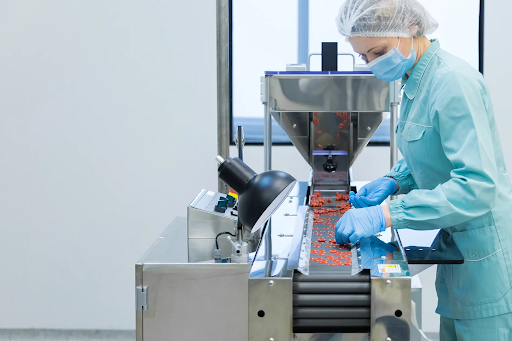
Tablet production involves several steps: mixing, granulation, drying, compression, and coating. Each step needs control.
- Granulation: This helps powders flow better and stick together. Wet or dry methods are used depending on the ingredients.
- Compression: The press machine must create hard enough tablets that do not break during shipping but still dissolve properly in the body.
- Coating: Film coating can mask bad tastes, protect from moisture, or make tablets look better. Some brands use colored coatings for branding.
You need to decide on tablet size, shape, weight, and hardness. Smaller tablets look premium but may need more compression force. Discuss these details early with the factory.
Quality Control and Testing
Quality cannot be skipped. Reliable manufacturers test at every stage: raw materials, during production, and on finished tablets. They check for correct potency, uniformity, dissolution rate, and contaminants.
Ask for a Certificate of Analysis (CoA) for each batch. Many brands also use third-party labs for extra peace of mind. Consistent quality builds customer trust and helps you avoid costly recalls.
Stability testing is another key point. Tablets must stay effective until the expiration date, even in warm or humid conditions. Good factories run these tests and suggest proper packaging to protect the product.
Visit https://hdnutra.com/ to explore professional custom supplement manufacturing services that focus on quality and flexibility.
Packaging and Labeling Requirements
Packaging protects tablets and influences how customers see your brand. Common options include bottles with desiccants, blister packs, or bulk packaging for later filling.
Think about child-resistant caps, tamper-evident seals, and moisture protection. Labeling must follow the rules of your target market. This includes supplement facts, ingredient lists, disclaimers, and contact information.
For international sales, check requirements for different countries. A good manufacturer helps with label design reviews so everything meets legal standards from the beginning.
Regulatory Compliance and Certifications
Supplements face different rules depending on where you sell them. In the US, FDA guidelines apply even though supplements are not drugs. Europe, Australia, and other regions have their own standards.
Your manufacturer should understand these rules and help prepare the right documents. This includes batch records, traceability systems, and safety data. If you make health claims, they must be supported and worded correctly.
Working with a compliant factory reduces risk and makes market entry smoother.
Minimum Order Quantities and Cost Considerations
Custom tablet manufacturing usually has a minimum order quantity (MOQ). New brands should look for partners who accept smaller runs to test the market. As your sales grow, you can increase orders and lower the cost per unit.
Costs depend on many factors: ingredients, tablet complexity, coating, packaging, and order size. Get clear quotes that include all steps so there are no surprises. Factor in shipping, import duties, and testing costs too.
Saving money is important, but do not choose only on price. Poor quality can damage your brand reputation quickly.
Production Timeline and Communication
Custom tablet projects take time. Formula development, testing, tooling for new shapes, and production runs all need weeks or months. Plan ahead, especially for seasonal products or promotions.
Clear communication with the factory team is essential. Many good manufacturers have English-speaking staff and use online project tools. Regular updates and quick responses help keep everything on track.
Start with samples to check quality and feel before placing a large order. This step is worth the small extra cost.
Sustainability and Future-Proofing
More customers care about the environment. Ask about eco-friendly options like recyclable packaging, organic ingredients, or reduced waste in production. Some factories now offer cleaner manufacturing processes.
Also think long term. Can the manufacturer scale with you? Do they invest in new technology for better tablet forms, such as chewables or sustained-release tablets? A strong partner grows with your brand.
Common Pitfalls to Avoid
Many first-time brands rush into production without enough testing. This can lead to tablets that crumble, have bad taste, or fail dissolution tests. Others ignore regulatory details and face shipment problems at customs.
Take time to review contracts, payment terms, and intellectual property protection. Visit the factory if possible or request video tours. Start small and build a good relationship.
Making the Process Successful
Custom manufacturing of tablet supplements offers great opportunities when done right. Focus on quality ingredients, experienced partners, clear specifications, and strong quality systems. Pay attention to packaging, regulations, and costs from day one.
Brands that plan carefully and choose reliable manufacturers can create standout tablet products that customers trust and reorder. The supplement market rewards consistency and innovation, and good custom manufacturing supports both.
Whether you are launching your first product or expanding a line, thinking through these considerations will help you build a stronger brand. Take the time to research, ask questions, and test thoroughly. The effort pays off with better products and smoother operations.