
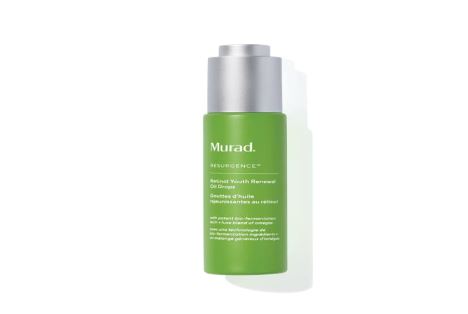

A retinol oil combines vitamin A-based skincare with nourishing oils to support smoother texture, improved radiance, and visible skin renewal. The right formula depends on skin type, ingredient balance, retinol strength, and how well the product supports the skin barrier during regular use.
People planning to start using retinol oil should focus on consistency and skin tolerance rather than choosing the strongest formula available immediately. A formula that feels comfortable on the skin is usually easier to use consistently over the long term.
Understand How it Works
Retinol belongs to the retinoid family, a group of vitamin A derivatives used in skincare for concerns such as fine lines, uneven tone, rough texture, and mild pigmentation irregularities.
The American Academy of Dermatology states that retinoids may help improve fine lines, wrinkles, pigmentation irregularities, and mild acne when used correctly. Oil-based formulations combine retinol with moisturising ingredients that help improve comfort during use.
Many retinol oil formulas contain ingredients such as squalane, jojoba oil, vitamin E, rice bran extract, rosemary extract, and antioxidant oils. These ingredients help support hydration while retinol encourages skin cell turnover and surface renewal.
Retinol products are usually designed for evening application because sunlight can increase sensitivity and reduce ingredient stability. Consistent overnight use allows the skin to adjust more gradually over time.
Match the Formula to Your Skin Type
Choosing a formula suited to your skin type can improve comfort and reduce the likelihood of irritation.
Dry Skin
Dry skin generally benefits from richer formulas containing barrier-supporting oils and hydrating ingredients. Ingredients such as squalane, fatty acids, and vitamin E can help reduce tightness and flaking during the adjustment period.
Oil-based formulas may also improve overnight moisture retention for skin prone to dryness. Some people with dry skin prefer layering retinol oil over a lightweight moisturiser to reduce discomfort during the first few weeks.
Oily or Combination Skin
Oily skin can still benefit from facial oils when the formula uses lightweight, non-comedogenic ingredients. A lighter texture absorbs more easily and is less likely to leave a heavy finish.
People with combination skin may prefer formulas that balance hydration without excessive richness. Fast-absorbing oils can help the skin feel conditioned without creating an overly greasy surface.
Sensitive Skin
Sensitive skin often responds better to lower-strength or encapsulated retinol formulas. These products release retinol more gradually, helping reduce the risk of redness or irritation.
Starting slowly is usually more effective than applying stronger formulas too frequently. Sensitive skin may also benefit from avoiding exfoliating acids or physical scrubs during the adjustment period.
Choose the Right Retinol Strength
Retinol products vary significantly in concentration. Stronger formulas can increase irritation if the skin is not prepared for regular use.
DermNet lists common topical retinoid side effects as dryness, peeling, irritation, and increased sensitivity to sunlight. Beginners often tolerate lower-strength products more comfortably during the early stages.
A gradual routine often works best. This may involve applying retinol 2 nights per week initially, using a small amount at night, and gradually increasing the frequency as the skin adjusts.
Applying excessive amounts does not usually improve results faster. Retinol works through consistent long-term use rather than aggressive short-term application.
Look Beyond the Retinol Ingredient
The supporting ingredients within a formula influence how comfortable the product feels on the skin.
A well-balanced retinol oil may include antioxidants and soothing ingredients that help support barrier function while reducing dryness. Ingredients such as vitamin E, bisabolol, rice bran extract, and algae-derived oils are commonly used to improve hydration and comfort.
Retinol oil formulas in this category may also contain biofermented antioxidant algae oil, rice bran extract, rosemary extract, vitamins C and E, and phenolic lipids.
Match the Product to Your Main Skin Concern
Different formulas may suit different skincare goals.
Fine Lines and Texture
Retinol supports skin renewal, which may help improve the appearance of rough texture and fine lines gradually over time. Oil-based textures can also soften dry-feeling skin by supporting moisture retention overnight.
People using retinol for texture concerns usually see gradual improvements rather than rapid changes. Skin renewal occurs progressively over several weeks of consistent use.
Uneven Tone
People managing mild pigmentation irregularities or post-inflammatory marks often look for retinol formulas combined with antioxidant or brightening-support ingredients. Visible improvements usually occur gradually with consistent use and daily sun protection.
Retinol is commonly included in routines targeting visible sun damage because it encourages surface turnover and smoother-looking skin texture.
Dull-Looking Skin
Retinol encourages surface cell turnover, which can improve visible radiance as older surface cells shed more efficiently. Many people notice smoother-looking skin texture after several weeks of consistent use.
Hydrating oils within the formula may also improve the appearance of dry or tired-looking skin by reducing moisture loss overnight.
Use Sunscreen Daily
Sun protection is essential when using retinol products. Cancer Council Australia states that UV radiation contributes to premature skin ageing and recommends sun protection when UV levels reach 3 or above.
Retinol is generally applied at night because sunlight can reduce ingredient stability and increase sensitivity. Broad-spectrum sunscreen during the day helps reduce additional UV-related skin damage.
Patch Test Before Full Application
Patch testing helps reduce the chance of a larger skin reaction. Apply a small amount near the jawline or behind the ear for several days before broader use.
People who are pregnant, breastfeeding, using prescription acne treatments, or managing conditions such as rosacea or eczema should seek professional advice before introducing retinol into their routine.
Final Thoughts
Choosing the best retinol oil involves more than selecting the highest-strength product. Skin type, supporting ingredients, texture, packaging quality, and barrier support all influence how well the formula performs over time.
A gradually introduced, balanced formula is often easier to maintain consistently, which is important for long-term results. With regular use and daily sun protection, a well-formulated retinol oil can help support smoother-looking texture, improved radiance, and more even-looking skin.