
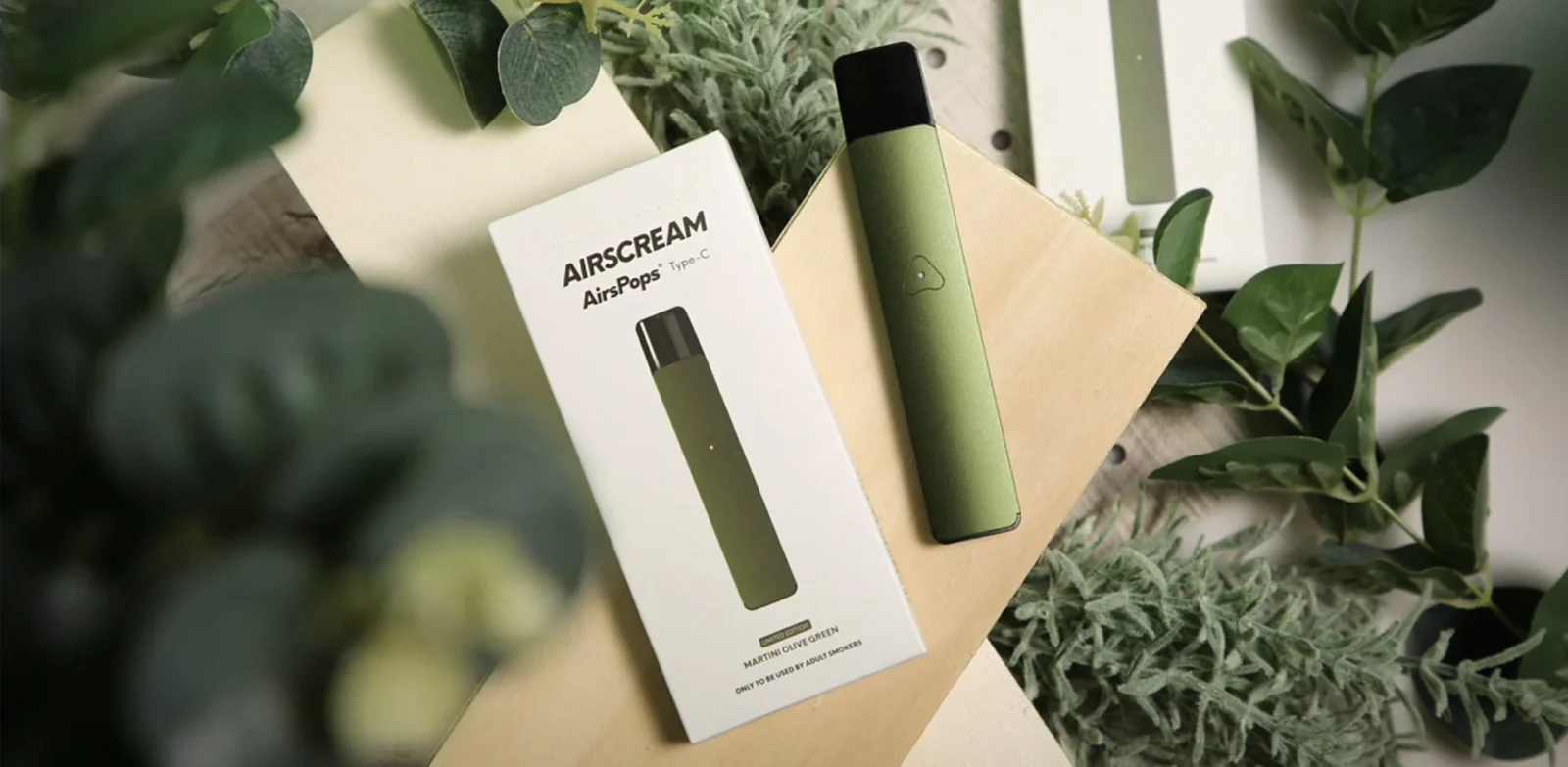

Lost Mary BM600 pod kit — represents one of the most meaningful steps the vaping industry has taken towards reducing its ecological footprint.
The Environmental Cost of Disposable Vapes
E-Waste at Scale
A 2023 report by Material Focus estimated that approximately 5 million disposable vapes were discarded in the UK every single week. Each device contains a lithium-ion battery, a heating element, wiring, and a combination of plastic and metal casing. None of these components are biodegradable, and most end up in landfill where the lithium can leach into soil and water.
Lithium is a finite and increasingly valuable resource. Its extraction involves significant water usage and habitat disruption in the regions where it is mined, predominantly in South America and parts of Africa. Throwing away a lithium battery every few days — as disposable vapers effectively do — is an act of remarkable inefficiency when the technology already exists to recover and reuse that resource.
Carbon Emissions from Manufacturing
Every disposable vape requires manufacturing, packaging, transportation from factories predominantly located in China, and eventual waste processing. Each step in that chain generates carbon emissions. When you account for the full lifecycle — from raw material extraction to landfill — a disposable vape’s carbon footprint is substantially higher than that of a reusable pod system used over the equivalent period.
Academic lifecycle analyses of vaping products consistently show that extending the life of the hardware component — the device — reduces total carbon footprint by 60 to 80 percent compared to using the equivalent number of disposables. Prefilled pod systems like the BM600 pod kit achieve exactly this: the carbon-intensive device is manufactured once and used for months or years, while only the lightweight, pod-sized e-liquid container is replaced.
How Pod Systems Reduce Waste
The Mathematics of Material Reduction
A disposable vape weighs approximately 30 to 40 grams and contains a full electronic assembly: battery, circuit board, coil, mouthpiece, and casing. A replacement pod for the BM600 pod kit weighs approximately 6 to 8 grams and contains only: a pre-filled e-liquid reservoir, an integrated mesh coil, and a lightweight plastic shell. That is a reduction of roughly 75 to 80 percent in material discarded per vaping session.
Multiply that reduction across the UK’s millions of vapers, and the aggregate environmental benefit is substantial. If every disposable vape user in the UK switched to a pod system tomorrow, the annual reduction in vaping-related plastic and electronic waste would be in the tens of thousands of tonnes.
Battery Reuse
The battery is the most environmentally damaging component in any vaping device. In a disposable, that battery is used once and discarded. In the BM600 pod kit, the same battery can be charged and discharged hundreds of times before it reaches end of life. When it does, the device can be taken to an electronics recycling point or a participating vape shop for proper processing — ensuring the lithium is recovered and re-enters the supply chain rather than polluting a landfill.
The Role of Prefilled Pods vs. Refillable Tanks
It is worth distinguishing between two types of reusable pod systems: prefilled pods (like those used in the BM600 pod kit) and open-system devices where the user fills a reusable pod with their own e-liquid.
Open-system devices have the lowest waste per session, as the pod itself is reused many times. However, they require the user to purchase e-liquid in bottles, handle nicotine liquid directly, and manage coil replacement — a level of engagement that many former disposable users find off-putting.
Prefilled pods sit in the middle ground: they generate more waste than open systems but far less than disposables. They also eliminate the safety concerns associated with handling nicotine liquid (particularly relevant in households with children), and they deliver a consistent experience that is closer to the disposable format that most switchers are familiar with.
For the majority of ex-disposable users, prefilled pod systems represent the sweet spot between sustainability, convenience, and accessibility.
Responsible Disposal of Vaping Products
Pods and Devices
Empty BM600 pods should not go into general household recycling. Because they contain trace amounts of nicotine liquid and an integrated coil, they are technically a combination of hazardous waste and small electronic components. The correct disposal route is:
- Return to a participating vape shop that operates a pod take-back scheme
- Use a dedicated e-cigarette recycling bin — now present in many supermarkets and pharmacies
- Take to a Household Waste Recycling Centre (HWRC), where electronic components are separated and processed appropriately
Vape devices (the rechargeable body) should never go in general waste. They are WEEE (Waste Electrical and Electronic Equipment) items and must be disposed of through appropriate channels.
Packaging Waste
Both the device packaging and pod packaging generate some cardboard and plastic waste. Lost Mary has moved towards minimalist packaging for the BM600 range, reducing box size and eliminating unnecessary inserts. Look for the FSC certification mark on packaging, which indicates the paper and cardboard have been sourced from responsibly managed forests.
The Bigger Picture: Industry Accountability
Individual vapers switching to pod systems make a real difference, but systemic change requires industry accountability. Several leading manufacturers have introduced take-back programmes, extended producer responsibility (EPR) frameworks, and partnerships with recycling organisations. In the UK, organisations like Valpak and the Vaping Industry Trade Association (UKVIA) have been working with government bodies to establish clearer recycling pathways for vaping products.
As a consumer, you can support these efforts by buying from a responsible vape shop that participates in take-back schemes, choosing brands with demonstrated sustainability commitments, and advocating for accessible recycling infrastructure in your area.
Every pod you recycle instead of binning saves a small amount of plastic from landfill and ensures trace nicotine does not enter the water table. Small actions, multiplied by millions of users, become large outcomes.
Comparing Carbon Footprints: Disposable vs. Pod Kit
While precise figures vary by brand and lifecycle assessment methodology, the following general comparison gives a useful sense of scale for a vaper who uses the equivalent of one disposable every two days (approximately 15 per month):
- Disposables (15/month): ~450–600g of discarded material per month, including a lithium battery in each unit
- BM600 pod kit (15 pods/month): ~90–120g of discarded pod material per month; device body retained indefinitely
- Carbon saving estimate: Approximately 60–75% reduction in product-related carbon emissions over 12 months
These figures do not account for the emissions associated with charging the device (marginal given the small battery capacity) or for e-liquid bottle waste in the disposable supply chain (also marginal). The overall picture strongly favours the reusable pod format.
How to Make Your Switch as Green as Possible
shop for your BM600 pod kit and replacement pods, a few extra steps can maximise the sustainability benefit of your switch:
- Buy pods in multipacks to reduce packaging waste per pod
- Choose online retailers that use eco-friendly packaging and carbon-offset shipping
- Sign up to take-back programmes offered by your preferred vape shop
- Charge your device using renewable energy where possible
- Extend the life of your device by keeping it clean and protected from drops and moisture
Conclusion
The environmental case for switching from disposable vapes to a prefilled pod system like the Lost Mary BM600 pod kit is robust and well-supported by lifecycle data. You are not just saving money and future-proofing your vaping habit against regulatory change — you are making a measurable contribution to reducing electronic waste, lithium pollution, and the carbon footprint of the vaping industry. In a category that has been justifiably criticised for its environmental carelessness, the pod system format is a genuine and important step in the right direction.